
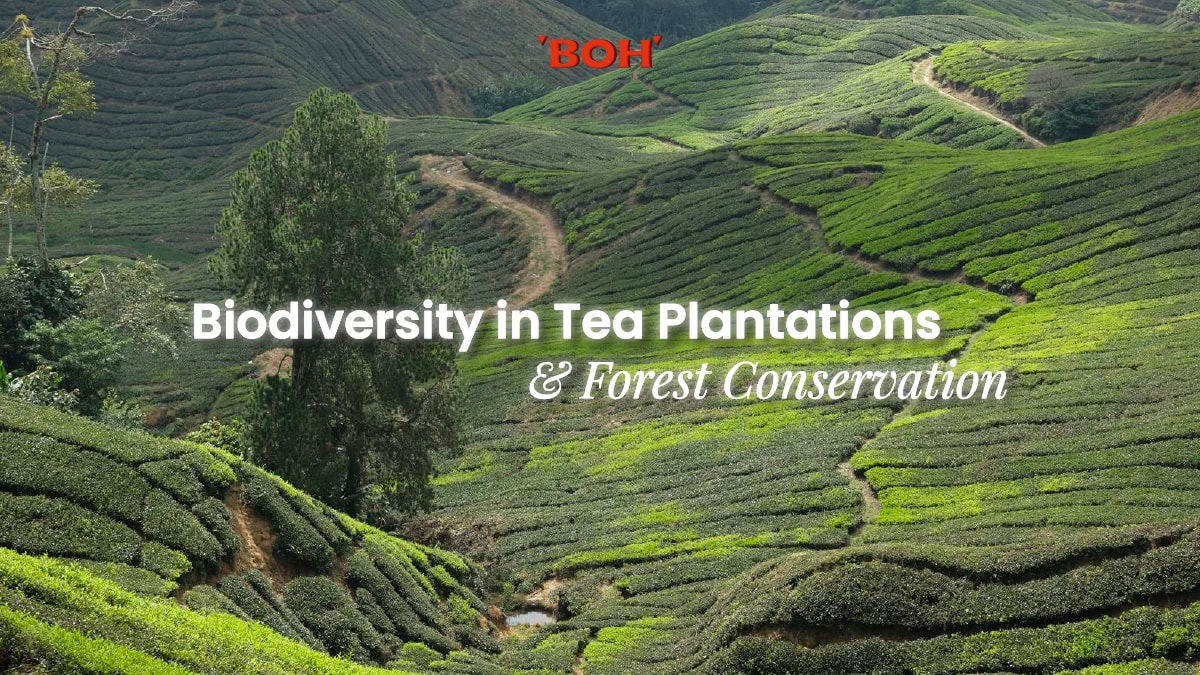
Biodiversity in tea plantations plays an essential role in preserving the natural balance between agriculture and the environment. In regions such as the Cameron Highlands, where tea cultivation has shaped both landscape and heritage, the relationship between cultivated land and surrounding forests continues to evolve with a growing focus on sustainability.
Tea is a perennial crop that can coexist with natural ecosystems when managed thoughtfully, and this creates opportunities to protect wildlife habitats, maintain soil integrity, and support long-term environmental health. As awareness of environmental conservation grows, tea estates are increasingly viewed as stewards of biodiversity, contributing to both agricultural productivity and ecological preservation.
Tea plantations are often situated in regions of high ecological value, where forests serve as vital support systems for agriculture. These forested areas regulate water cycles, stabilise soil on steep terrain, and provide natural habitats for a wide range of plant and animal species.
In the Cameron Highlands, forests play a particularly important role in maintaining the delicate balance required for tea cultivation. They help reduce soil erosion caused by heavy rainfall while also acting as natural buffers against extreme weather conditions. At the same time, these ecosystems support pollinators and beneficial organisms that contribute to healthier tea crops.
Maintaining forest cover within tea estates therefore contributes to both environmental protection and agricultural resilience. This integrated approach reflects a broader understanding that tea cultivation does not exist in isolation, but rather as part of a larger ecological system.
Biodiversity in tea plantations extends beyond the cultivated tea bushes to include surrounding vegetation, wildlife corridors, and micro-ecosystems within the estate. When these elements are preserved, they create a more balanced environment where natural processes can thrive.
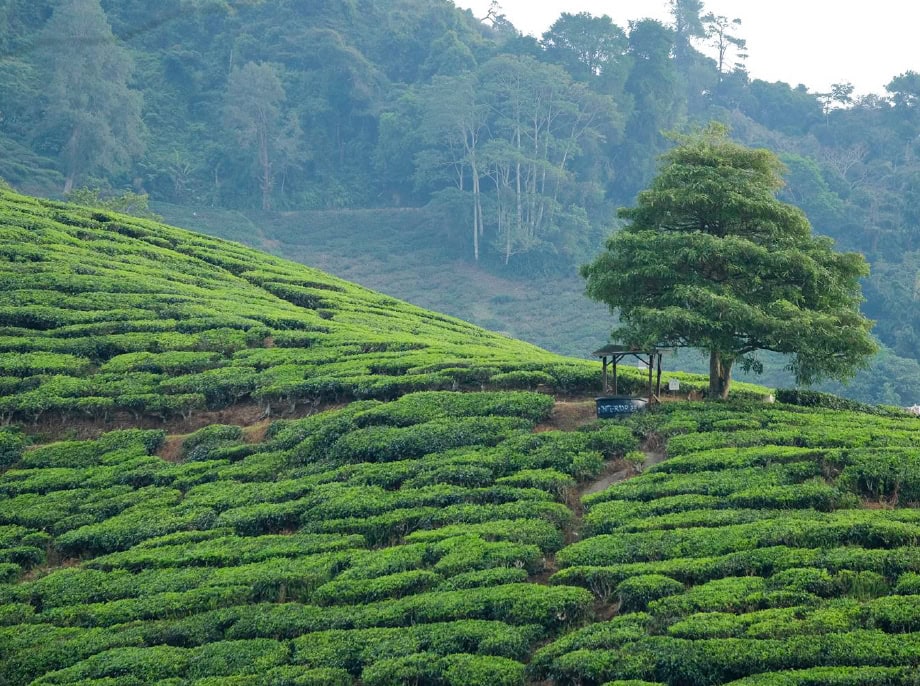
A significant example of this approach can be seen in BOH’s estates, where approximately 45% of the land in the highlands is preserved as forest. This commitment supports biodiversity conservation while maintaining soil integrity and allowing natural ecosystems to flourish alongside cultivated areas.
Preserved forest areas serve as habitats for native flora and fauna, including species that rely on undisturbed environments for survival. They also provide ecological corridors that enable wildlife movement, which is essential for maintaining genetic diversity within species populations.
This balance between cultivated land and preserved forest reflects a long-term perspective on land use, where productivity is aligned with conservation rather than expansion.
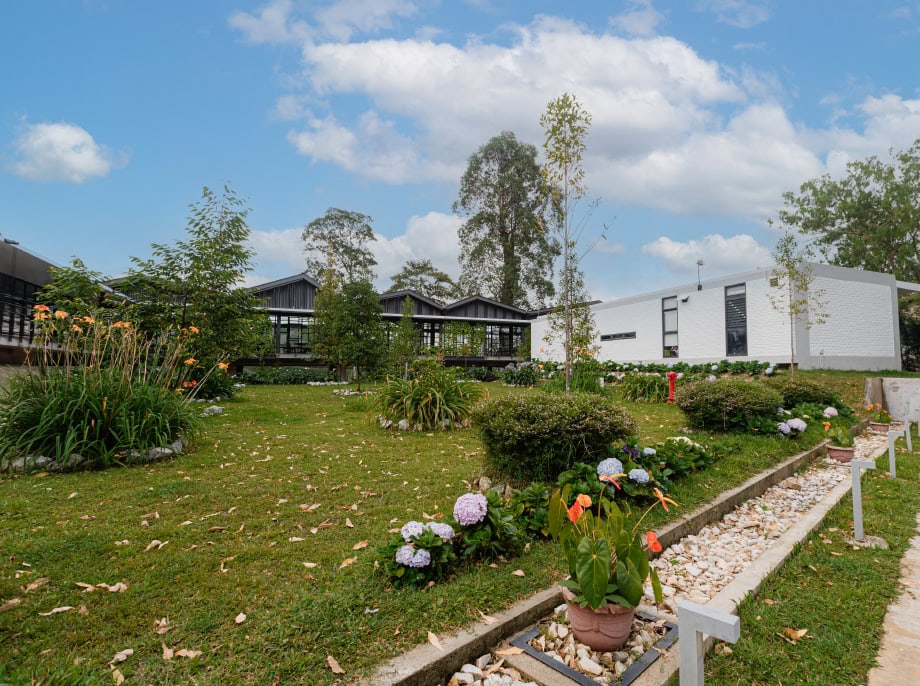
Protecting biodiversity often requires collaboration beyond the boundaries of a single estate, and partnerships play an important role in expanding conservation impact. Tea producers can contribute to wider environmental efforts by working with organisations dedicated to ecosystem restoration and biodiversity protection.
BOH’s sustainability initiatives include partnerships with conservation organisations such as the Global Environment Centre and the Tropical Rainforest Conservation and Research Centre. These collaborations support projects focused on forest restoration, peat swamp conservation, and biodiversity research.
For example, restoration efforts in peat swamp ecosystems help reduce soil erosion, support carbon storage, and provide habitats for endangered species. Such initiatives also contribute to climate resilience, as healthy ecosystems play a role in regulating environmental conditions.
By engaging in these partnerships, tea estates extend their influence beyond cultivation, contributing to broader environmental goals that benefit both local communities and the natural landscape.
Sustainable tea cultivation involves integrating agricultural practices with the surrounding environment in a way that supports biodiversity rather than disrupting it. This approach includes maintaining natural vegetation, minimising land disturbance, and adopting farming practices that protect beneficial organisms.
Within tea plantations, biodiversity contributes to natural pest control, soil fertility, and ecosystem stability. Practices such as Integrated Pest Management support this balance by encouraging biological and cultural methods of pest control before resorting to chemical interventions.
When biodiversity is preserved, the plantation becomes a more resilient system, capable of adapting to environmental changes while maintaining crop quality. This integration reflects a shift towards regenerative agricultural practices, where long-term environmental health is considered alongside productivity.
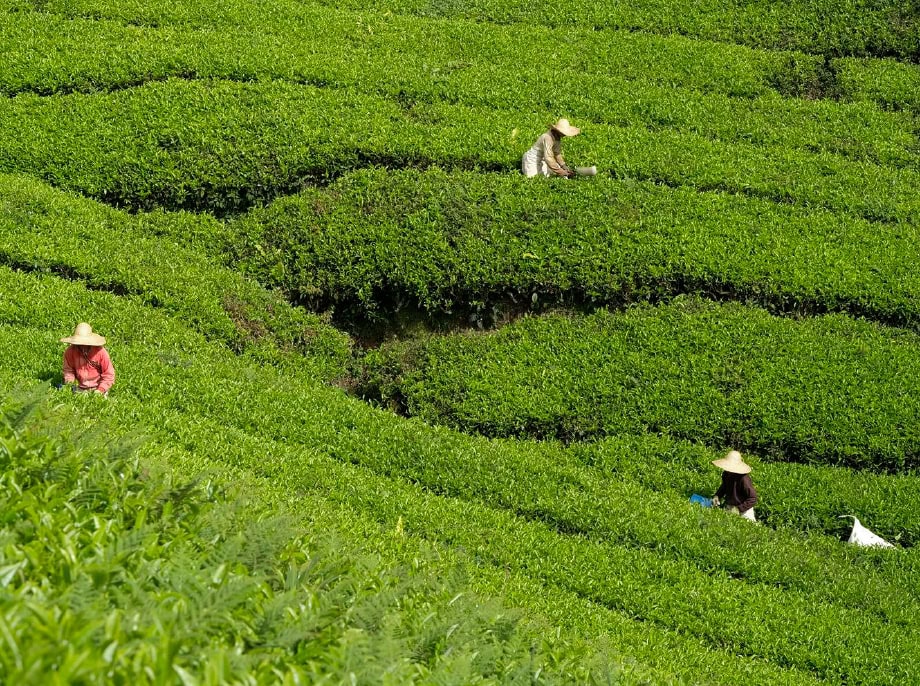
The preservation of biodiversity in tea plantations is not only a responsibility for producers, but also a shared effort involving consumers, communities, and conservation partners. As awareness grows, there is increasing appreciation for products that are cultivated with respect for the environment.
BOH’s approach to sustainability reflects this shared responsibility, combining forest preservation, responsible land management, and collaboration with conservation organisations. These efforts contribute to maintaining the natural heritage of the Cameron Highlands while ensuring that tea production continues in a way that supports both people and the planet.
Biodiversity in tea plantations represents an opportunity to align agriculture with environmental stewardship. By preserving forest ecosystems, supporting conservation partnerships, and integrating sustainable practices, tea estates can play a meaningful role in protecting natural landscapes.
In the Cameron Highlands, this balance is particularly important, as the region’s ecological richness is closely tied to its identity as a tea-growing area. Through thoughtful management and long-term commitment, biodiversity can continue to thrive alongside tea cultivation, ensuring that future generations inherit both a vibrant environment and a living agricultural heritage.
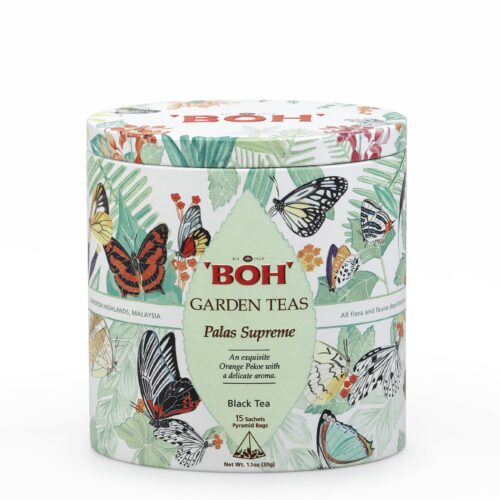
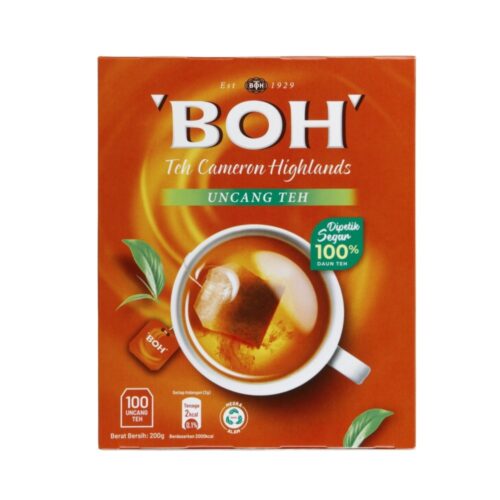
If you are in the mood for some tea check out some of our selection below, or click here to explore our wider selection of teas:

Share this post:
| Cookie | Duration | Description |
|---|---|---|
| ServerPool | session | This cookie is set by the provider Tripadvisor. This cookie is used for user tracking and viewing embedded contents from TripAdvisor like payment of referral commission fees etc. |
| TASSK | 5 months 27 days | This cookie is set by the provider Tripadvisor. This cookie is used for viewing embedded contents to the visitor from Tripadvisor. It also helps to know whether the visitor had clicked on the advertisement, to collect payment from the Tripadvisor. |
| TATravelInfo | 14 days | This cookie is set by the provider Tripadvisor. This cookie is used for viewing contents and ads from Tripadvisor, which in return helps to earn money from Tripadvisor if the visitor has clicked the ads. |
| Cookie | Duration | Description |
|---|---|---|
| __kla_id | 1 year 1 month 4 days | Klaviyo sets this cookie to collect information on the visitor’s behavior. This information is used for internal analytics and to optimise the website. It also registers if the visitor has subscribed to a news letter. |
| _fbp | 3 months | Facebook sets this cookie to display advertisements when either on Facebook or on a digital platform powered by Facebook advertising after visiting the website. |
| _ga | 1 year 1 month 4 days | Google Analytics sets this cookie to calculate visitor, session and campaign data and track site usage for the site's analytics report. The cookie stores information anonymously and assigns a randomly generated number to recognise unique visitors. |
| _ga_* | 1 year 1 month 4 days | Google Analytics sets this cookie to store and count page views. |
| CONSENT | 2 years | YouTube sets this cookie via embedded YouTube videos and registers anonymous statistical data. |
| TADCID | 10 years | Tripadvisor sets this cookie to store a unique ID for users, to help them view embedded content from Tripadvisor. |
| TASession | session | TripAdvisor sets this cookie to track visitors across websites. |
| TAUnique | 2 years | TripAdvisor sets this cookie to track visitors across websites. |
| Cookie | Duration | Description |
|---|---|---|
| fr | 3 months | Facebook sets this cookie to show relevant advertisements by tracking user behaviour across the web, on sites with Facebook pixel or Facebook social plugin. |
| IDE | 1 year 24 days | Google DoubleClick IDE cookies store information about how the user uses the website to present them with relevant ads according to the user profile. |
| SRT | 30 minutes | This cookie is set by the provider Tripadvisor. This is a Tripadvisor session cookie used for advertising purposes. |
| TACds | 2 months | This cookie is set by the provider TripAdvisor. This cookie is used for showing travel information and ads based on the user preferences. |
| TART | 5 days | This cookie is set by the provider Tripadvisor. This cookie is used for viewing contents and ads from Tripadvisor, which in return helps to earn money from Tripadvisor if the visitor has clicked the ads. |
| TAUD | 14 days | This cookie is set by the provider Tripadvisor. This is Tripadvisor session cookie used for advertising purposes. |
| test_cookie | 15 minutes | doubleclick.net sets this cookie to determine if the user's browser supports cookies. |
| ttwid | 1 year | Tiktok sets this cookie to keep track of user authentication and session information. |
| VISITOR_INFO1_LIVE | 5 months 27 days | YouTube sets this cookie to measure bandwidth, determining whether the user gets the new or old player interface. |
| YSC | session | Youtube sets this cookie to track the views of embedded videos on Youtube pages. |
| yt-remote-connected-devices | never | YouTube sets this cookie to store the user's video preferences using embedded YouTube videos. |
| yt-remote-device-id | never | YouTube sets this cookie to store the user's video preferences using embedded YouTube videos. |
| yt.innertube::nextId | never | YouTube sets this cookie to register a unique ID to store data on what videos from YouTube the user has seen. |
| yt.innertube::requests | never | YouTube sets this cookie to register a unique ID to store data on what videos from YouTube the user has seen. |
| Cookie | Duration | Description |
|---|---|---|
| __vt | 1 hour | Description is currently not available. |
| msToken | 10 days | Description is currently not available. |
| PMC | 2 years | Description is currently not available. |
| TASID | 30 minutes | Description is currently not available. |