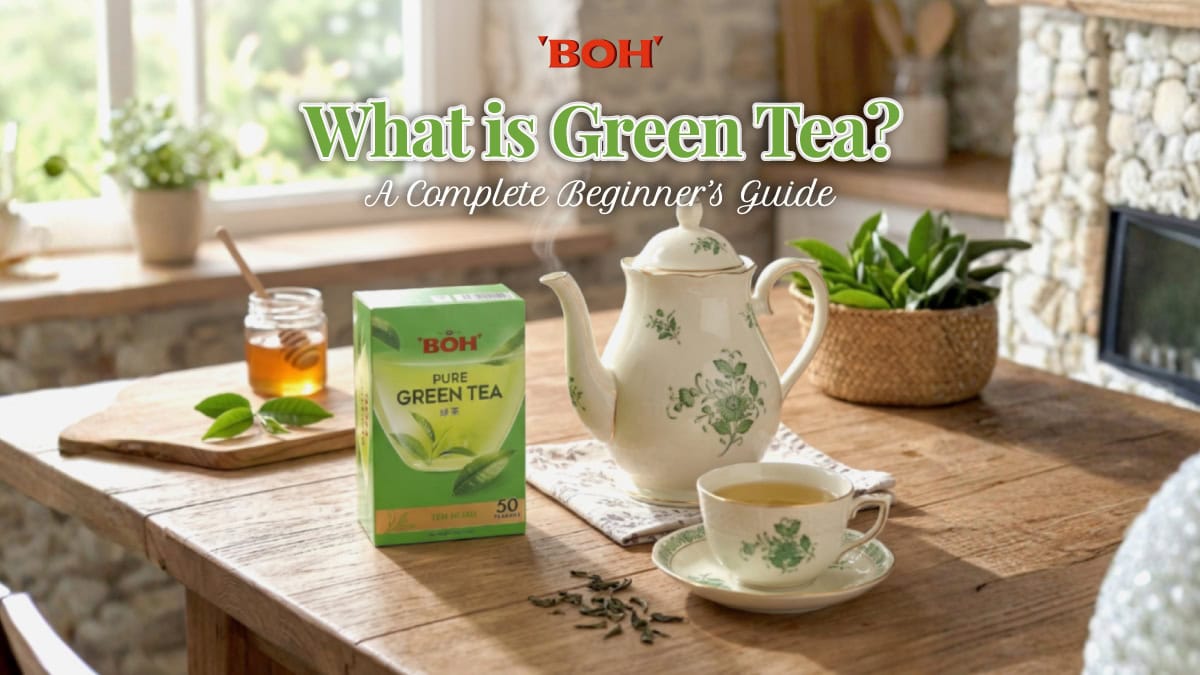
What Is Green Tea? A Complete Beginner’s Guide

what is green tea: a complete beginner's guide

Green tea is one of the most widely enjoyed beverages in the world, known for its refreshing taste and long-standing cultural significance. If you are new to tea, this guide will help you understand what green tea is, how it is made, and why so many people include it in their daily routine.

What Is Green Tea?

Green tea comes from the leaves of the Camellia sinensis, the same plant used to produce black tea, oolong tea, and white tea. What sets green tea apart is not the plant itself, but the way the leaves are processed after they are harvested.

Unlike other types of tea, green tea is made with minimal oxidation. This means the leaves are preserved closer to their natural state, which helps maintain their green colour, fresh flavour, and delicate character. Because of this, green tea is often considered one of the least processed forms of tea.

How Is Green Tea Made?

The journey from fresh leaf to finished tea is simple but carefully controlled. After harvesting, the leaves are first allowed to wither slightly so that excess moisture can evaporate. Soon after, heat is applied to stop oxidation from taking place. This step is essential in preserving the freshness of the tea.

Depending on the style of green tea, the leaves may be steamed or pan-fired. They are then rolled or shaped before being fully dried. Each step influences the final taste, aroma, and appearance of the tea.

Because oxidation is prevented early in the process, green tea retains more of its natural compounds compared to more heavily processed teas.

Green Tea for Busy Days

How Is Green Tea Different from Other Teas?

All true teas come from the same plant, yet they can taste completely different. The key difference lies in how much the leaves are allowed to oxidise during processing.

Green tea is not oxidised, which gives it a lighter and fresher profile. Black tea, on the other hand, is fully oxidised and tends to have a stronger, more robust flavour. Oolong tea falls somewhere in between, with partial oxidation that creates a more balanced character.

If you would like a deeper comparison, you can explore BOH’s guide to the difference between green tea and black tea: What is the Difference between green tea and black tea?

Types of Green Tea

Green tea is not a single uniform drink. It includes a wide range of styles, each shaped by where it is grown and how it is processed.

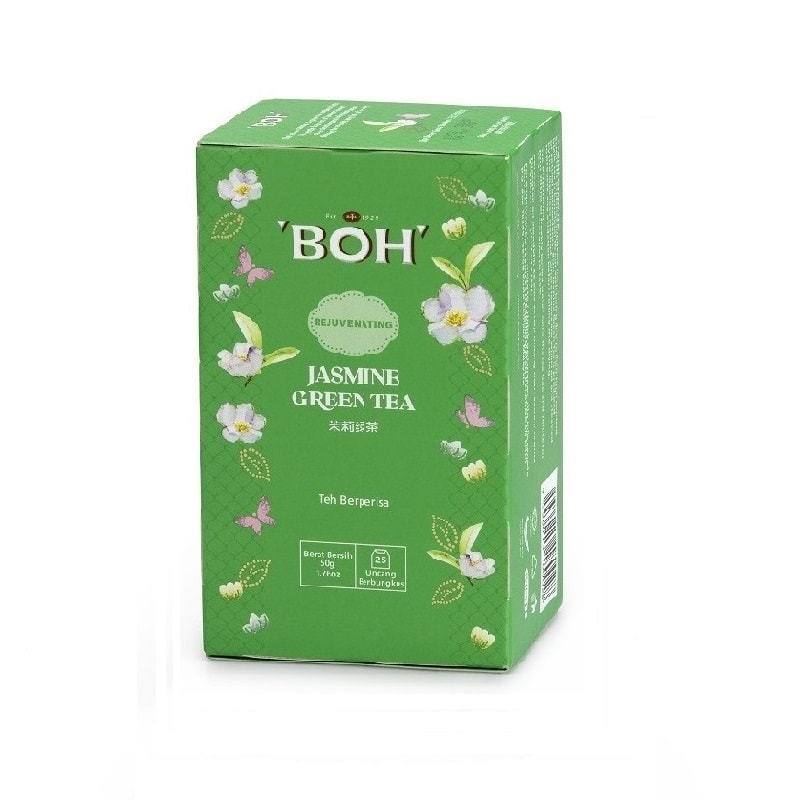
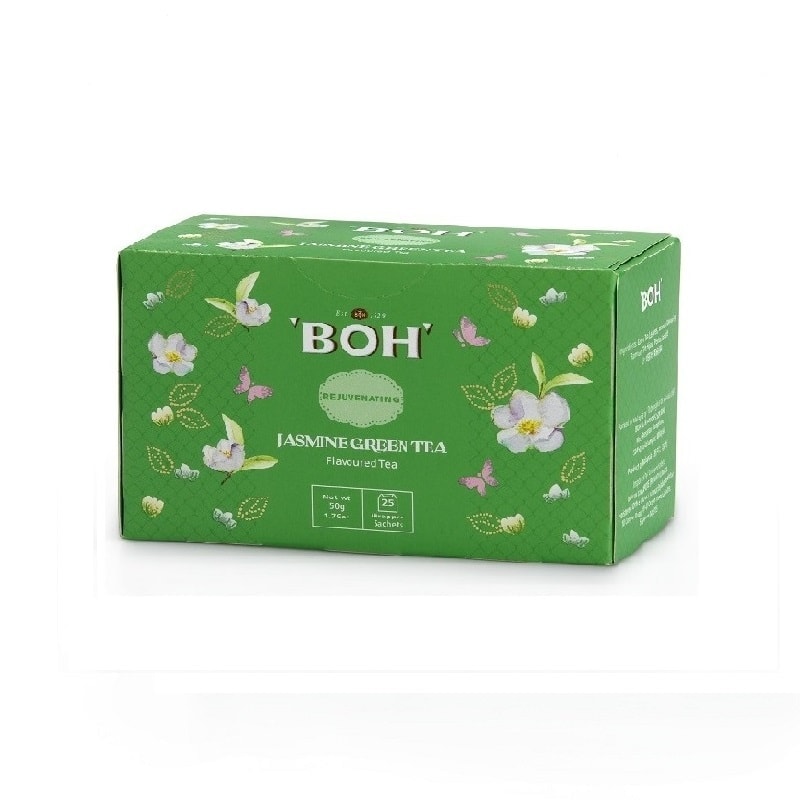
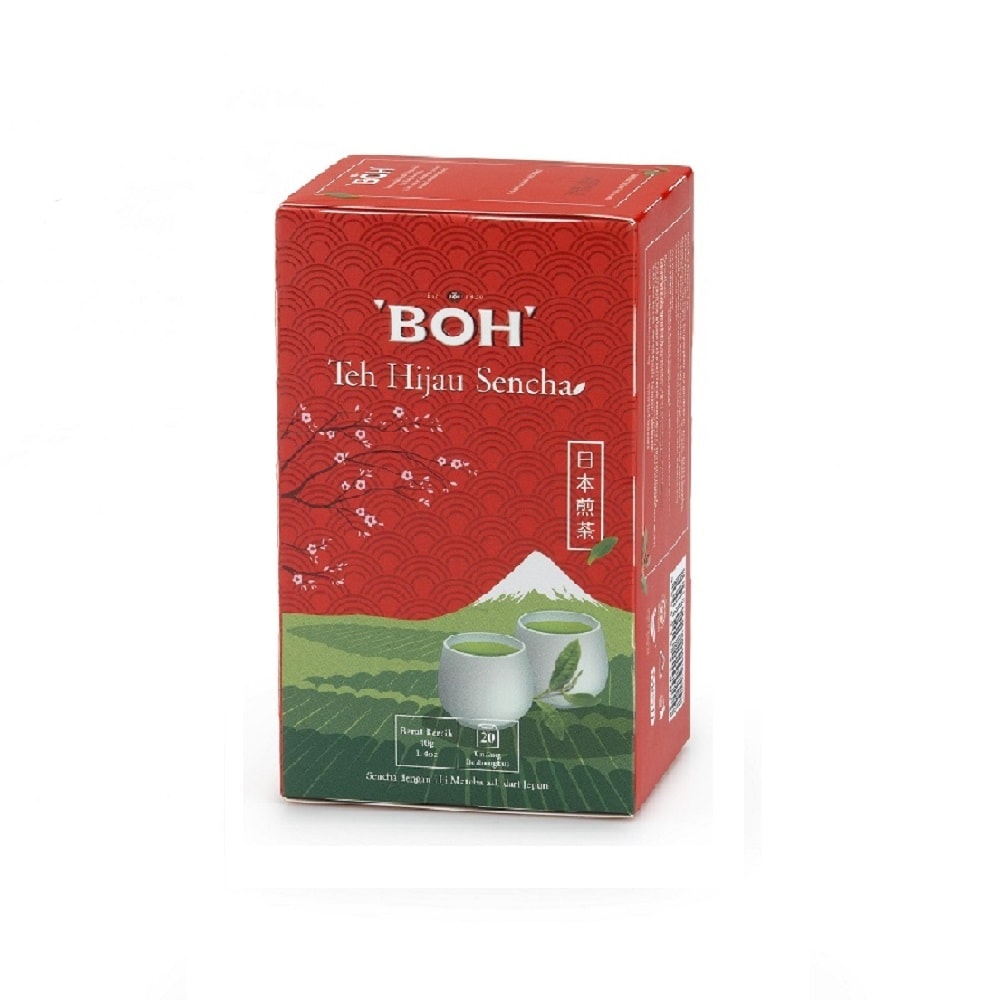
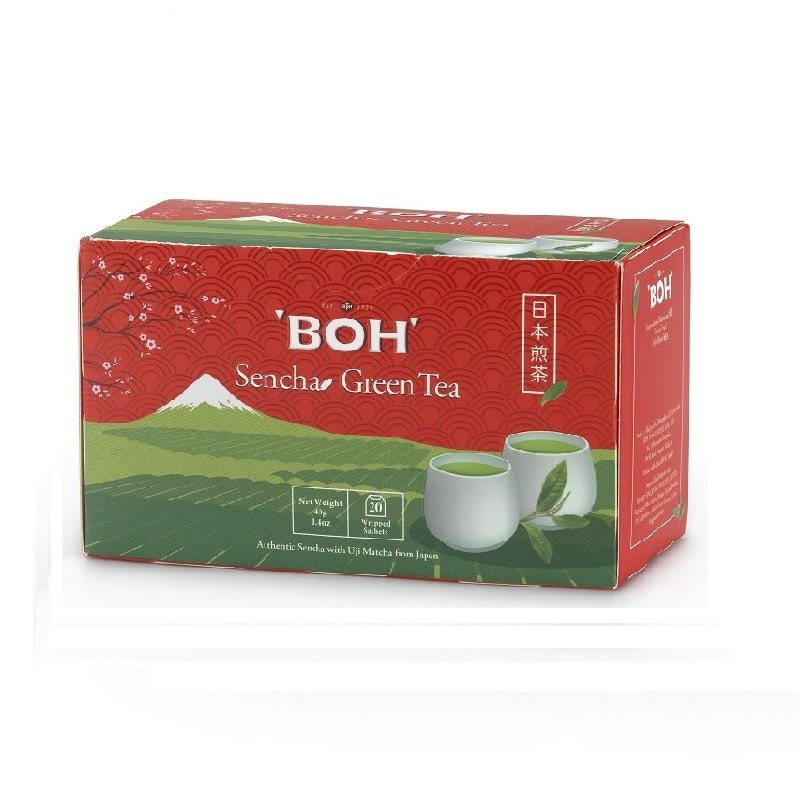
Some varieties are known for their light, grassy notes, while others may taste slightly nutty, floral, or gently sweet. Japanese green teas such as sencha are often fresh and vibrant, while powdered forms like matcha offer a richer and more intense experience. There are also scented options, such as jasmine green tea, which combine green tea leaves with floral aromas.

This diversity makes green tea easy to explore over time, even if you are just starting with a simple cup.

What Does Green Tea Taste Like?

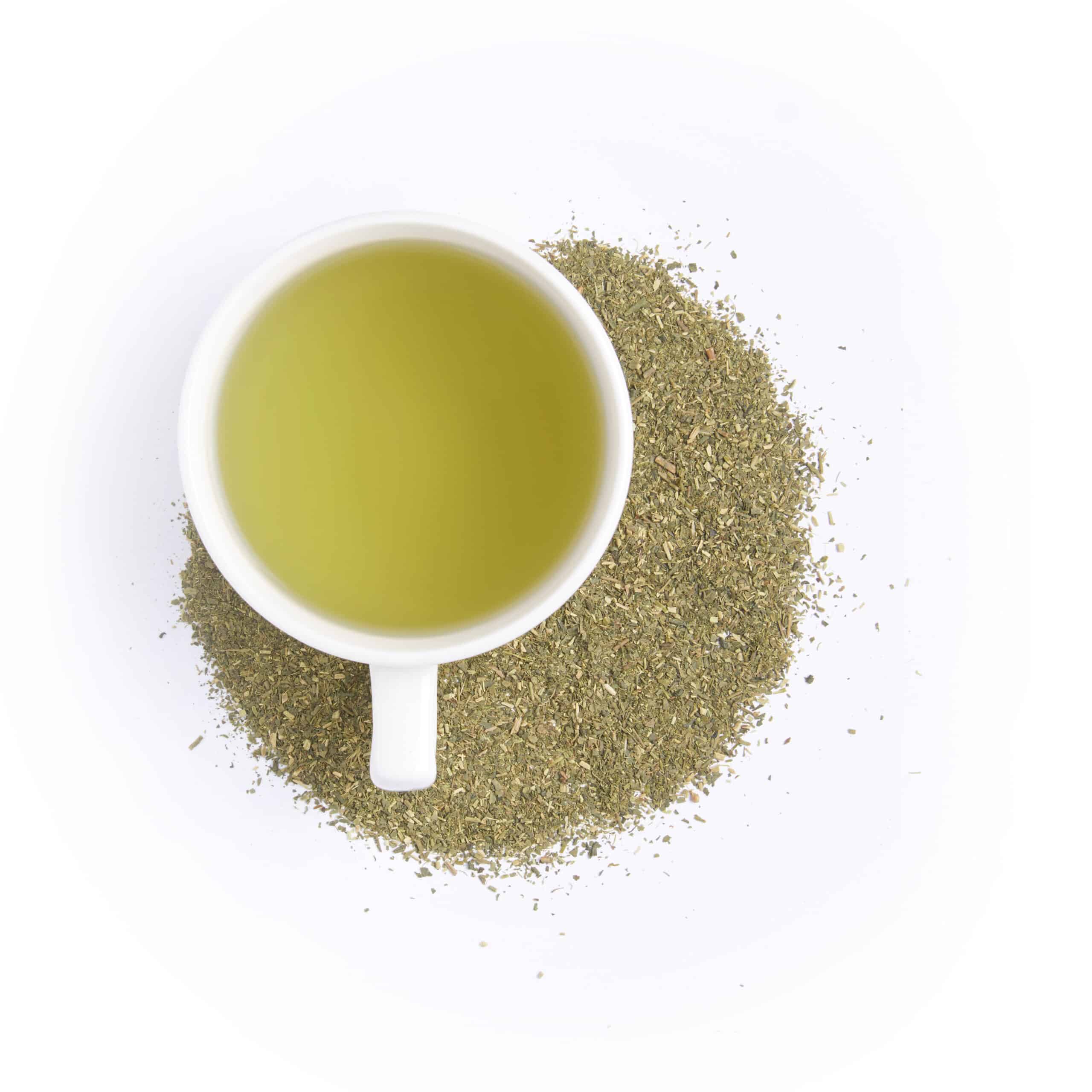
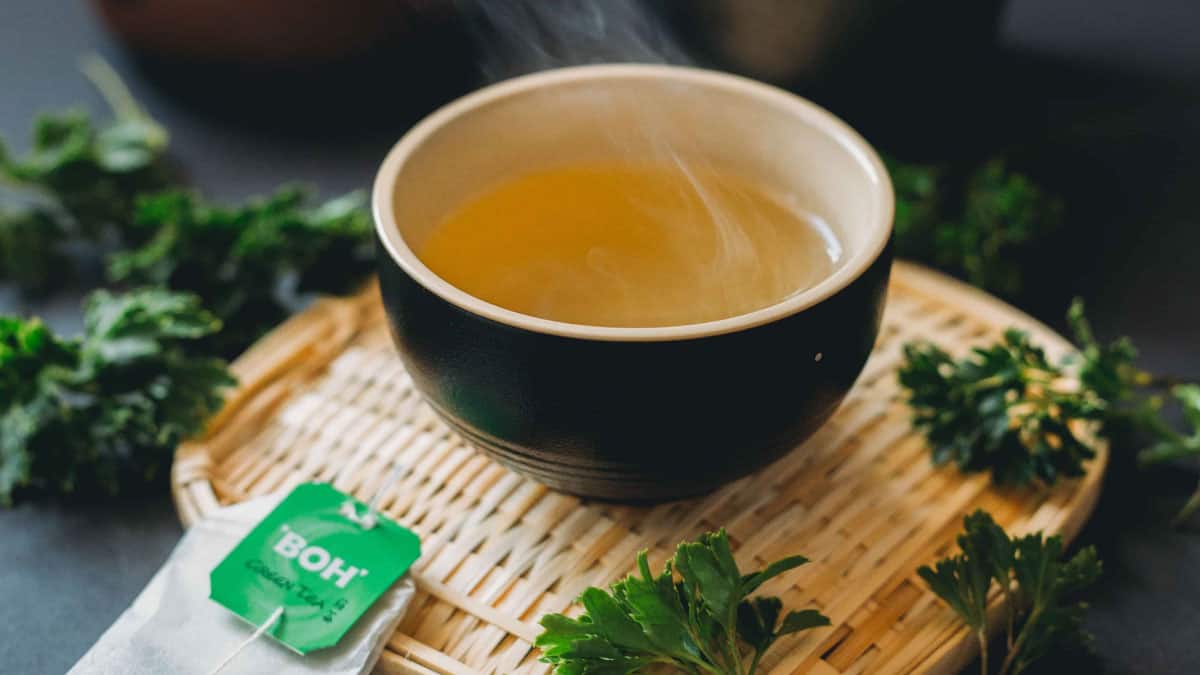
Green tea is typically described as clean, light, and refreshing. Many people notice a gentle vegetal quality, similar to fresh leaves or steamed greens. Depending on the variety, it can also have subtle sweetness or a soft nutty finish.

The taste of green tea is closely tied to how it is prepared. When brewed well, it should be smooth and balanced. If the water is too hot or the tea is steeped for too long, it can develop a bitter edge.

Why Do People Drink Green Tea?

Green tea has been enjoyed for centuries across different cultures, not only for its flavour but also for the role it plays in everyday life. For many, it represents a simple way to pause and reset during a busy day.

Some people are drawn to its lighter taste compared to stronger teas, while others appreciate how it fits into a balanced lifestyle. Green tea also contains natural compounds such as antioxidants, which have contributed to its reputation as a mindful choice.

If you are curious how green tea fits into daily routines, you can read more here: Green Tea for Busy Days: A Calm Cup in a Hectic World

How to Prepare Green Tea

Preparing green tea does not require complicated equipment, but a few small details can make a noticeable difference. The most important factor is water temperature. Using boiling water can overwhelm the leaves and result in a harsh taste.

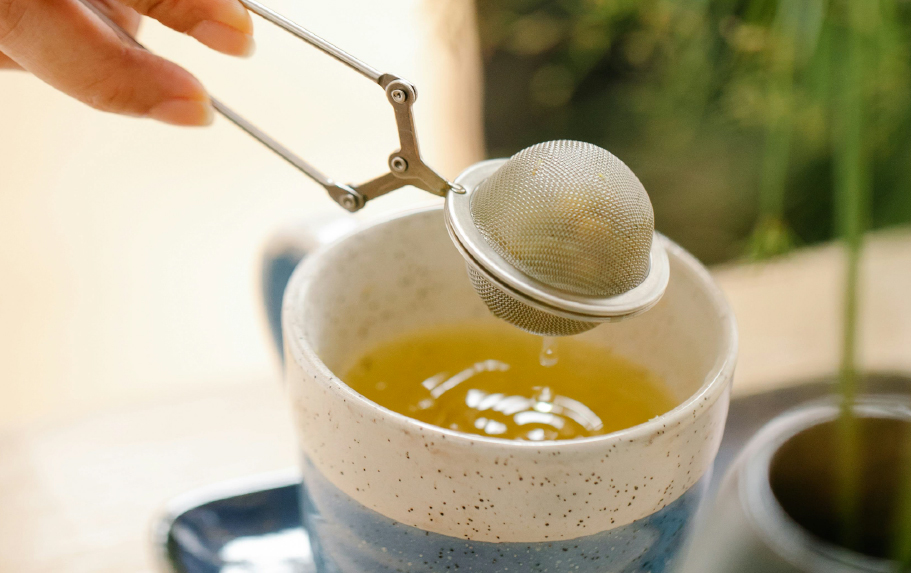
Instead, it is better to use water that has cooled slightly after boiling, usually around 70 to 80 degrees Celsius. The tea should then be steeped for a short period, typically two to three minutes, before removing the leaves or tea bag.

For more detailed brewing techniques, you can refer to: BOH Tea Tips for Brewing Your Best Cup

Green Tea Could Be-Good For Health

Getting Started with Green Tea

Green tea is one of the easiest ways to begin exploring the world of tea. Its gentle flavour, simple preparation, and wide variety of styles make it approachable for beginners while still offering depth for those who want to learn more.

If you are just starting out, choosing a simple and reliable green tea can make the experience more enjoyable. A well-balanced everyday option allows you to focus on understanding the flavour and brewing process without complication.

Over time, green tea becomes more than just a drink. It becomes a small, consistent ritual that fits naturally into everyday life.

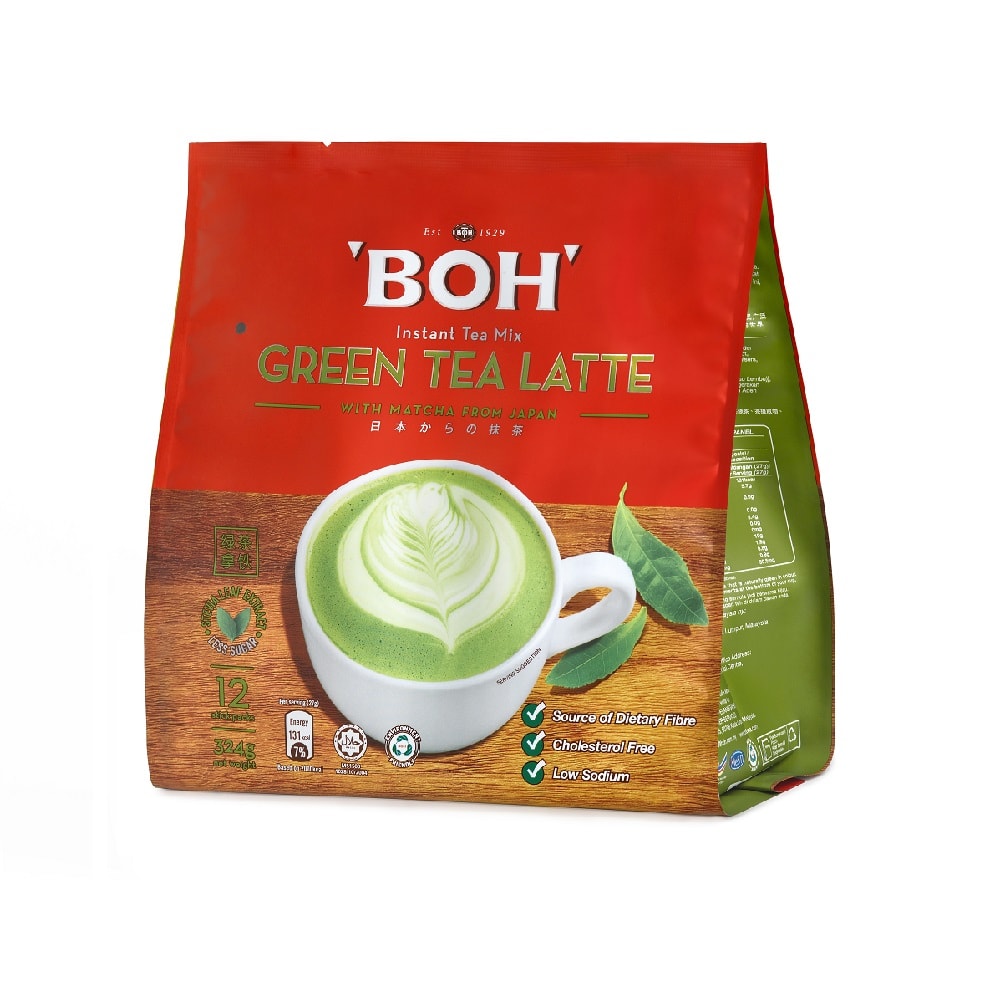
Explore BOH Green Tea Range

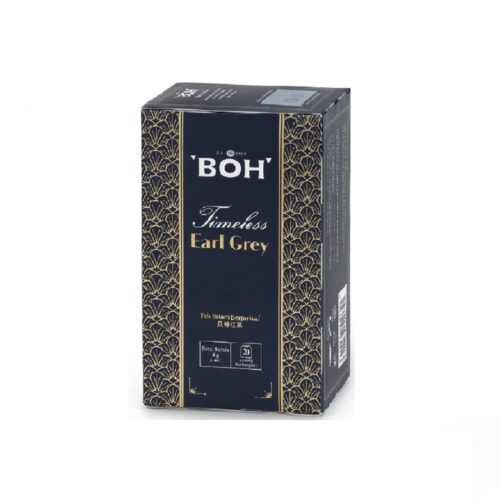
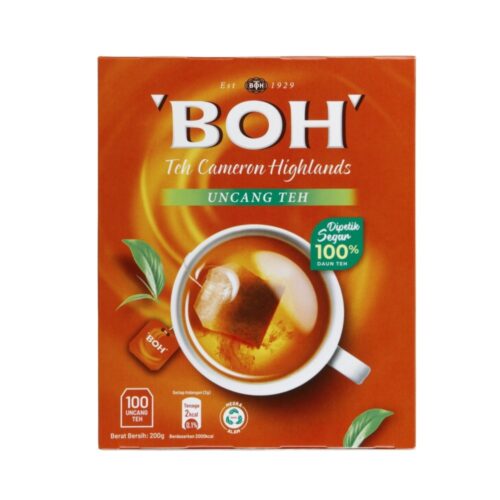
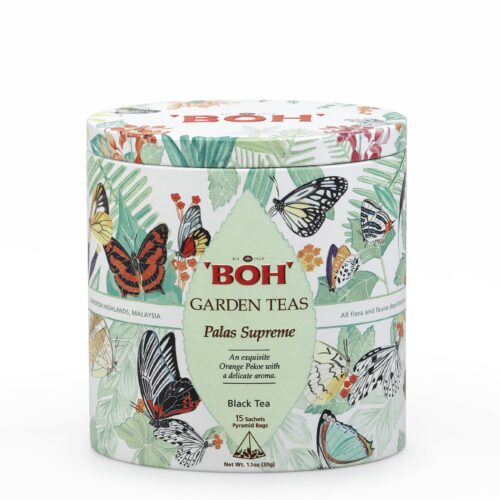
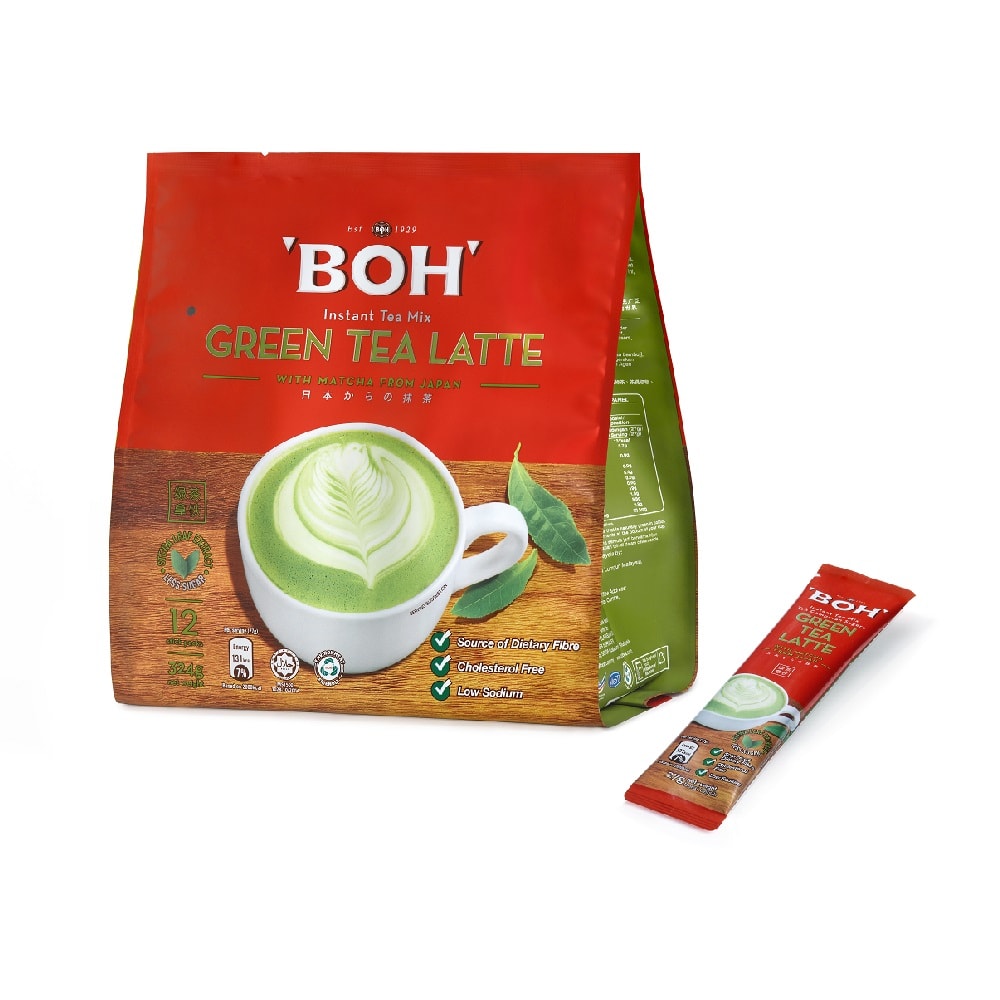
If you are ready to try green tea for yourself, here are a few options to get started:

Explore More About Green Tea

L 110 Green Tea Sencha LS 1 scaled 2

If you are in the mood for some tea check out some of our selection below, or click here to explore our wider selection of teas:

Share this post:

Share via
Copy link
Powered by Social Snap