
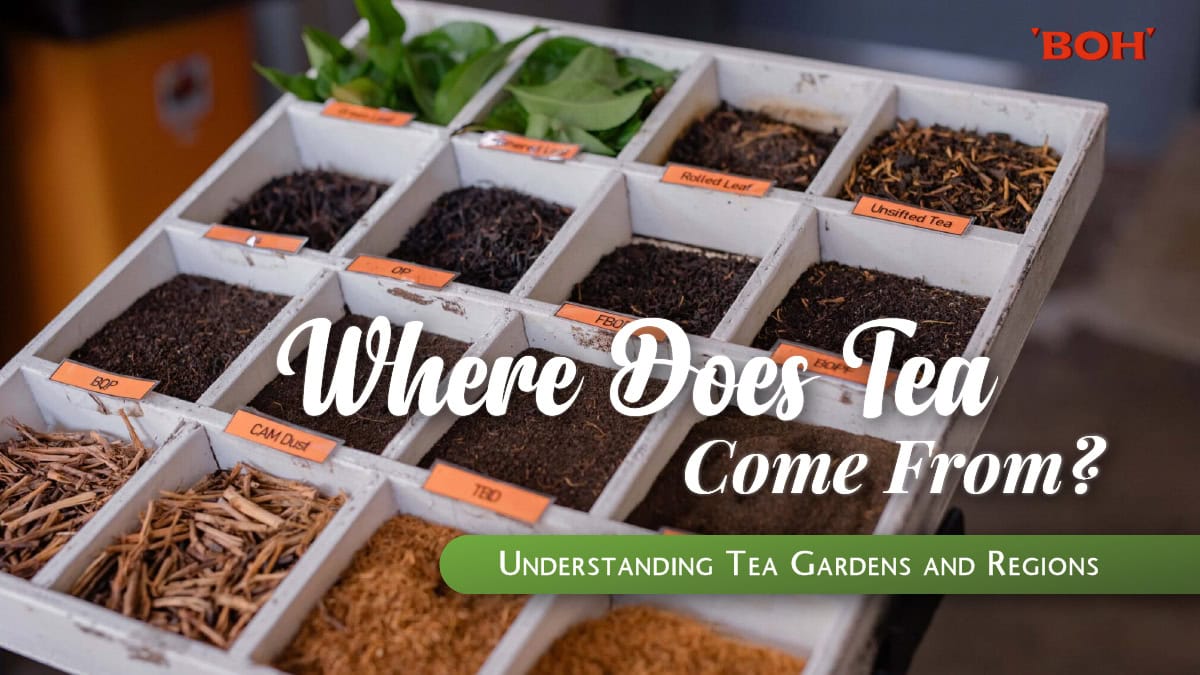
Every cup of tea begins long before it reaches your teapot. Behind each sip lies a journey that starts in carefully cultivated landscapes known as tea gardens.
Understanding where tea comes from helps you appreciate not just the flavour, but also the environment, craftsmanship, and heritage behind it.
What Is a Tea Garden?
A tea garden, sometimes called a tea estate or plantation, is a dedicated area where tea plants are grown, harvested, and processed.
Unlike wild crops, tea requires controlled conditions. Tea gardens are carefully managed to ensure consistent quality, from soil health to harvesting techniques. Workers typically hand-pluck the leaves, selecting only the youngest shoots for the best flavour.
Tea gardens are often located in scenic, high-altitude regions, which play a crucial role in shaping the character of the tea.
Where Does Tea Come From? The Tea Plant
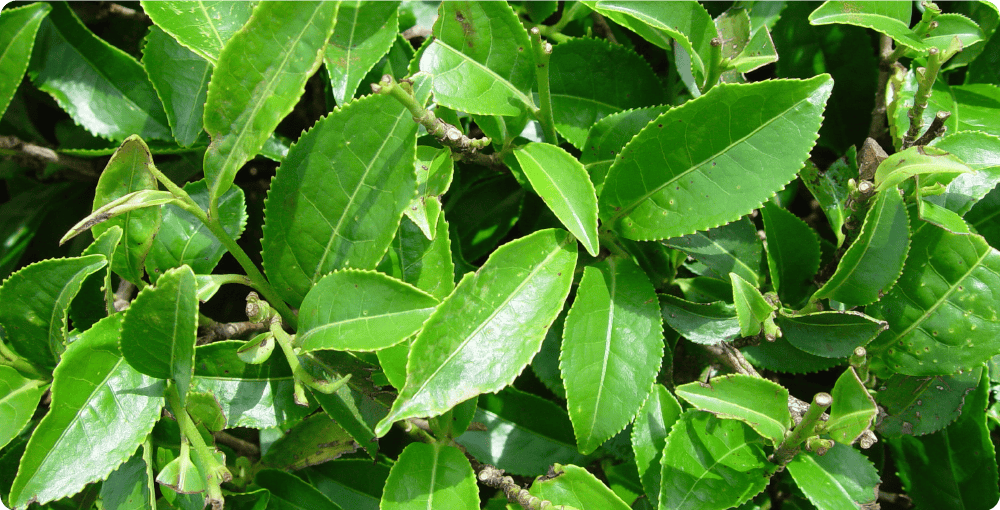
All traditional tea comes from a single plant: Camellia sinensis.
Whether you are drinking green tea, black tea, or oolong, the difference lies in how the leaves are processed after harvesting.
If you are curious about how processing changes tea types, you can explore this further in this guide: What Is The Difference Between Green Tea and Black Tea?
Major Tea Growing Regions Around the World
Tea is grown in many parts of the world, but only specific climates can produce high-quality leaves.
China
Often considered the birthplace of tea, China produces a wide variety of teas, from delicate green teas to complex oolongs.
India
Regions like Assam and Darjeeling are known for bold and aromatic teas. Assam teas are strong and malty, while Darjeeling teas are lighter and floral.
Sri Lanka
Formerly known as Ceylon, Sri Lanka produces bright, brisk teas with a refreshing finish.

Malaysia
Malaysia may not be the largest tea producer globally, but it is home to unique highland-grown teas, particularly in the Cameron Highlands.
You can explore more about global tea-producing regions here: Tea Producing Countries Across the Globe
Why Tea Gardens Are Located in Highlands
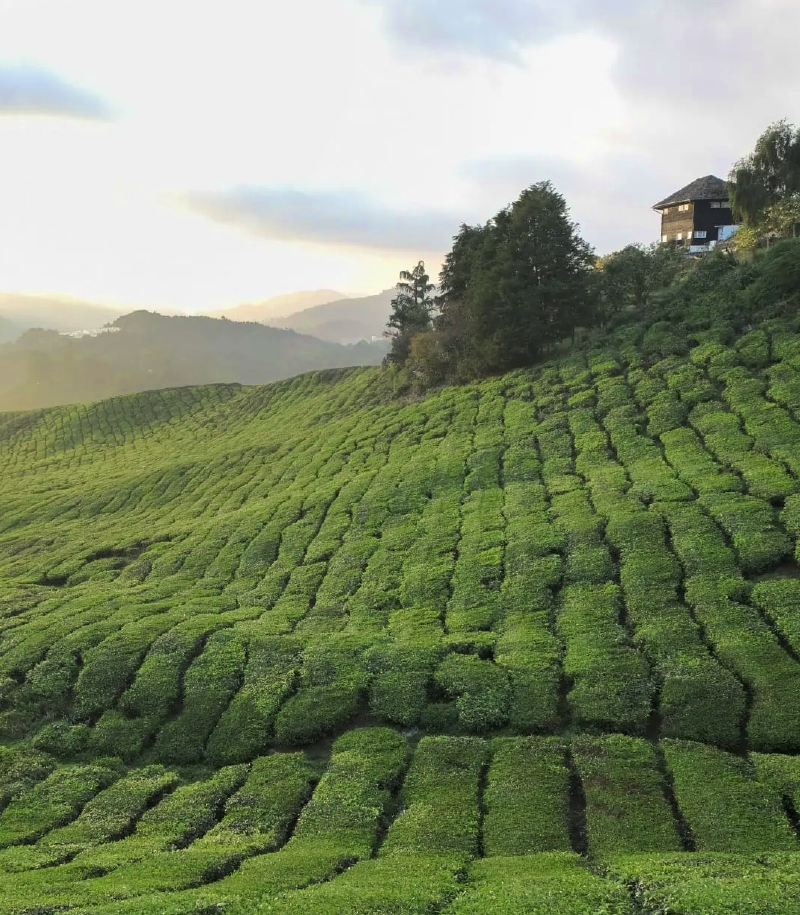
Many of the world’s best tea gardens are found in highland areas. This is not by coincidence.
Higher altitudes offer:
These conditions allow tea leaves to develop more complex aromas and taste profiles.
How Climate and Geography Affect Tea Flavour
The concept of “terroir” applies to tea just as it does to wine. This means the environment directly influences how tea tastes.
Key factors include:
This is why teas from different regions can taste completely distinct, even when made from the same plant.
Tea Gardens in Malaysia: The Cameron Highlands Story
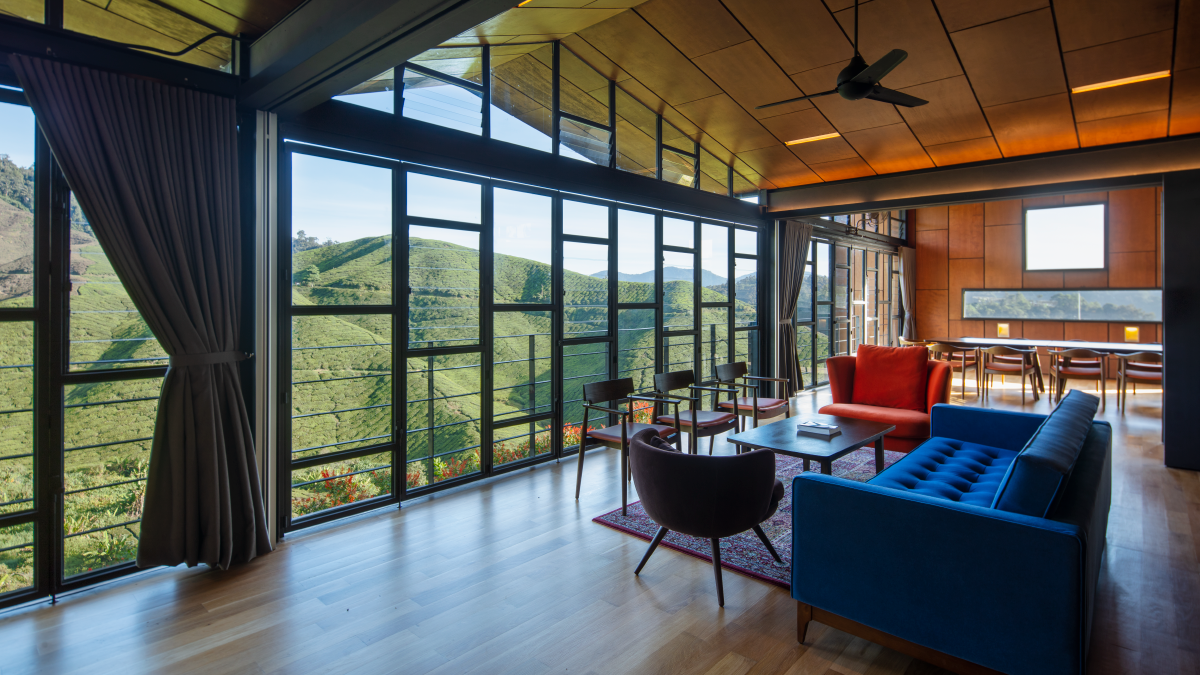
In Malaysia, tea cultivation is closely tied to the Cameron Highlands, a region known for its cool climate and rolling hills.
The high altitude and consistent rainfall create ideal conditions for tea cultivation. This is why the area has become synonymous with Malaysian tea.
You can learn more about the region’s history here: History of Cameron Highlands
And why it remains such an ideal location for tea growing: Why Cameron Highlands Is the Perfect Home for BOH
Tea gardens in this region are not just agricultural sites. They are part of Malaysia’s cultural and natural heritage, attracting visitors who want to experience tea at its source.
From Tea Garden to Your Cup
After harvesting, tea leaves go through several steps:
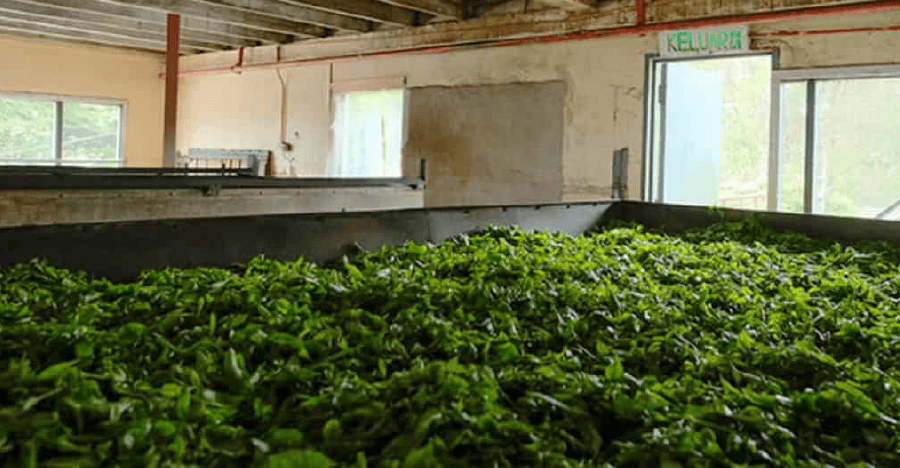
Withering →
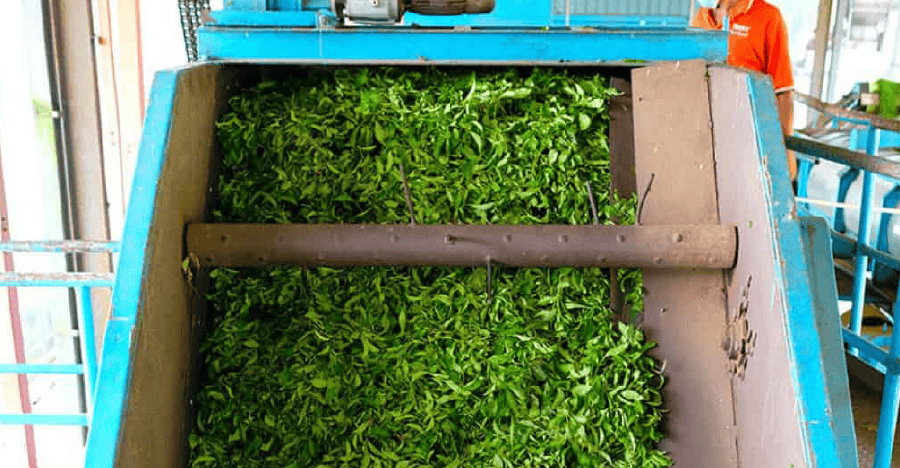
Rolling →
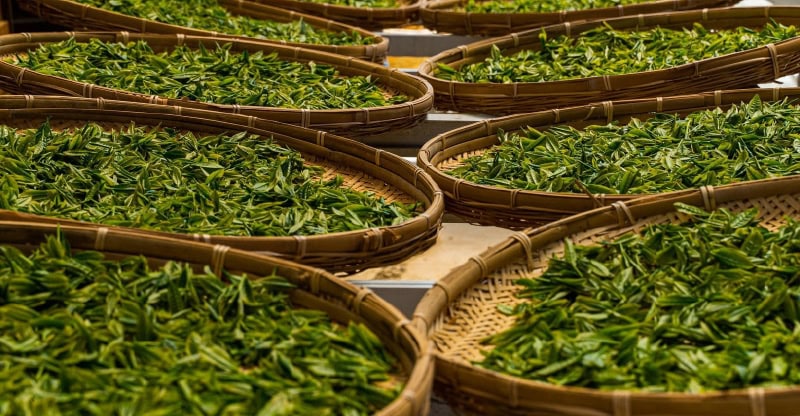
Oxidation →
(for certain types)
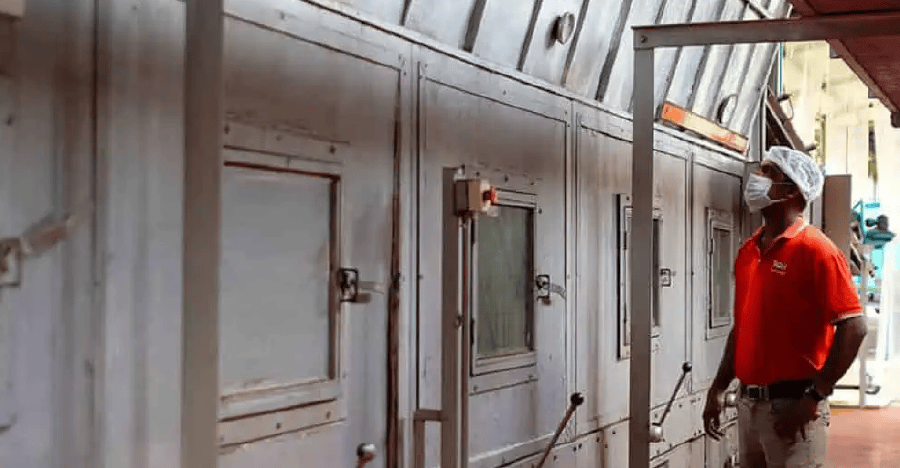
Drying
Each step influences the final taste of the tea. Even small changes in processing can result in very different flavour profiles.
If you want to make the most of your tea at home, this guide can help: BOH Tea Tips for Brewing Your Best Cup
Understanding Tea Origins When Choosing Tea
Knowing where your tea comes from can help you choose what suits your taste.
For example:
When you start paying attention to origin, you begin to notice subtle differences that make each cup unique.
Bringing It Back to Your Daily Cup
The next time you enjoy a cup of tea, it helps to remember that it began in a carefully tended tea garden, shaped by climate, geography, and human expertise.
From the misty hills of the Cameron Highlands to tea regions around the world, every cup carries a story of place and tradition.
Understanding where tea comes from transforms a simple drink into a deeper experience, one that connects you to the land, the people, and the journey behind every leaf.
Related Products to Try
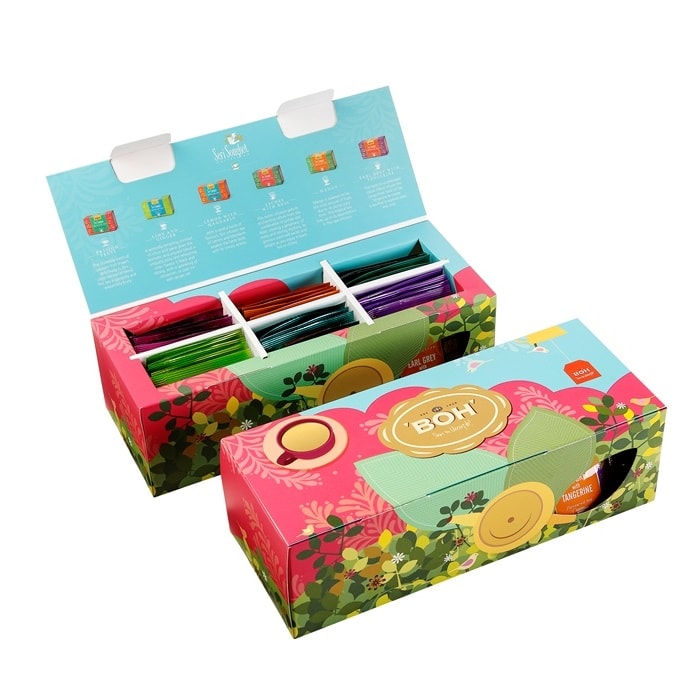
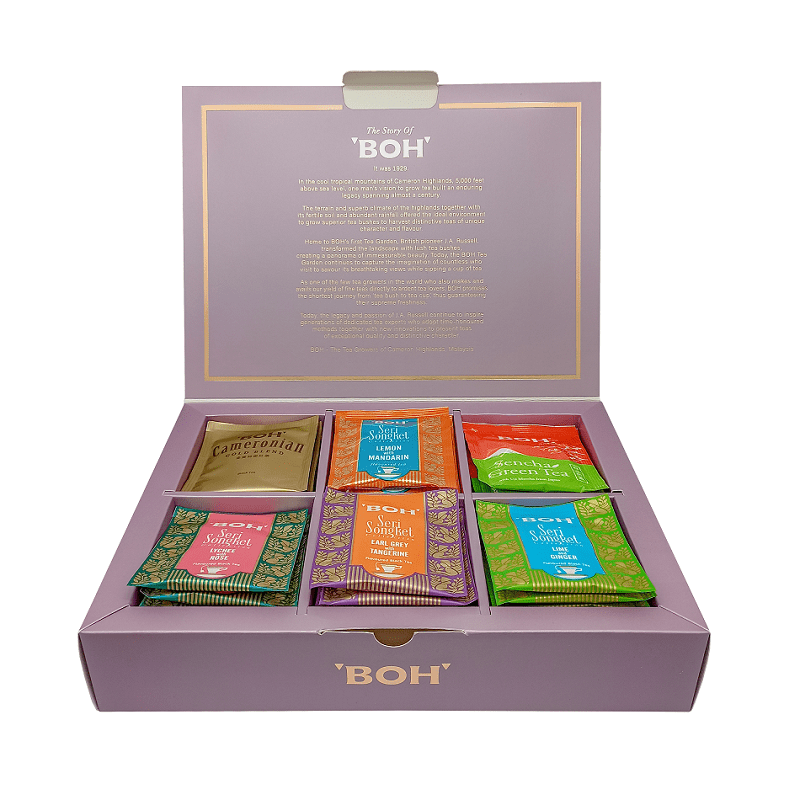
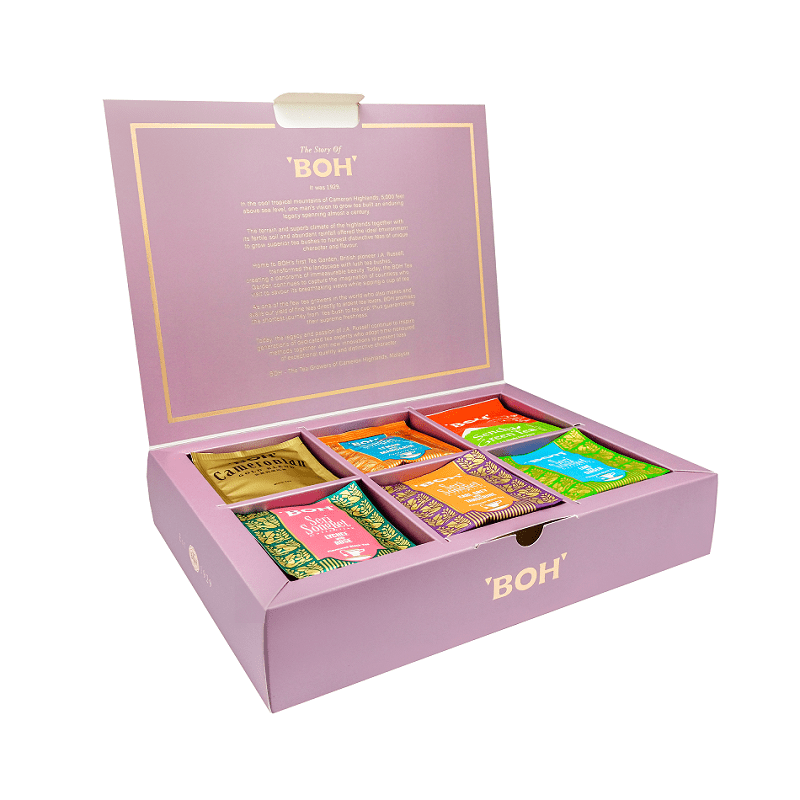
Explore teas inspired by highland-grown leaves and regional character:
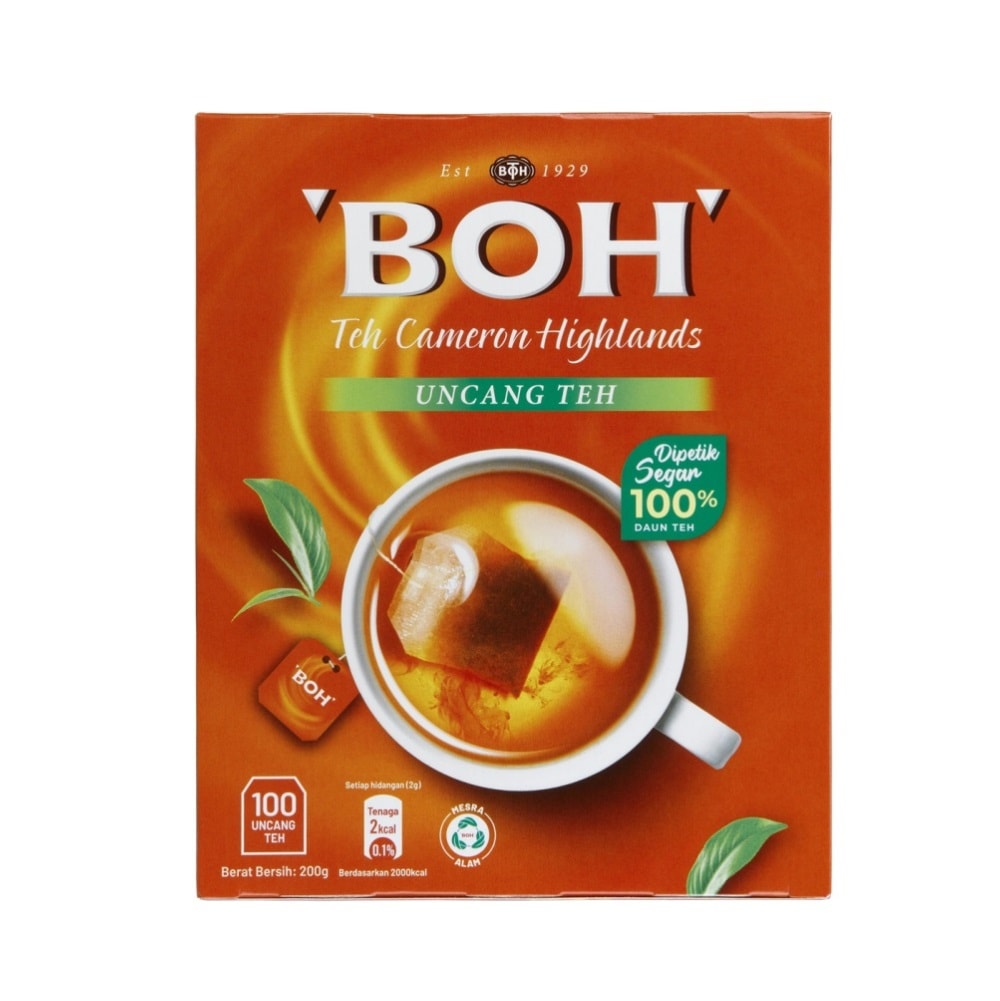
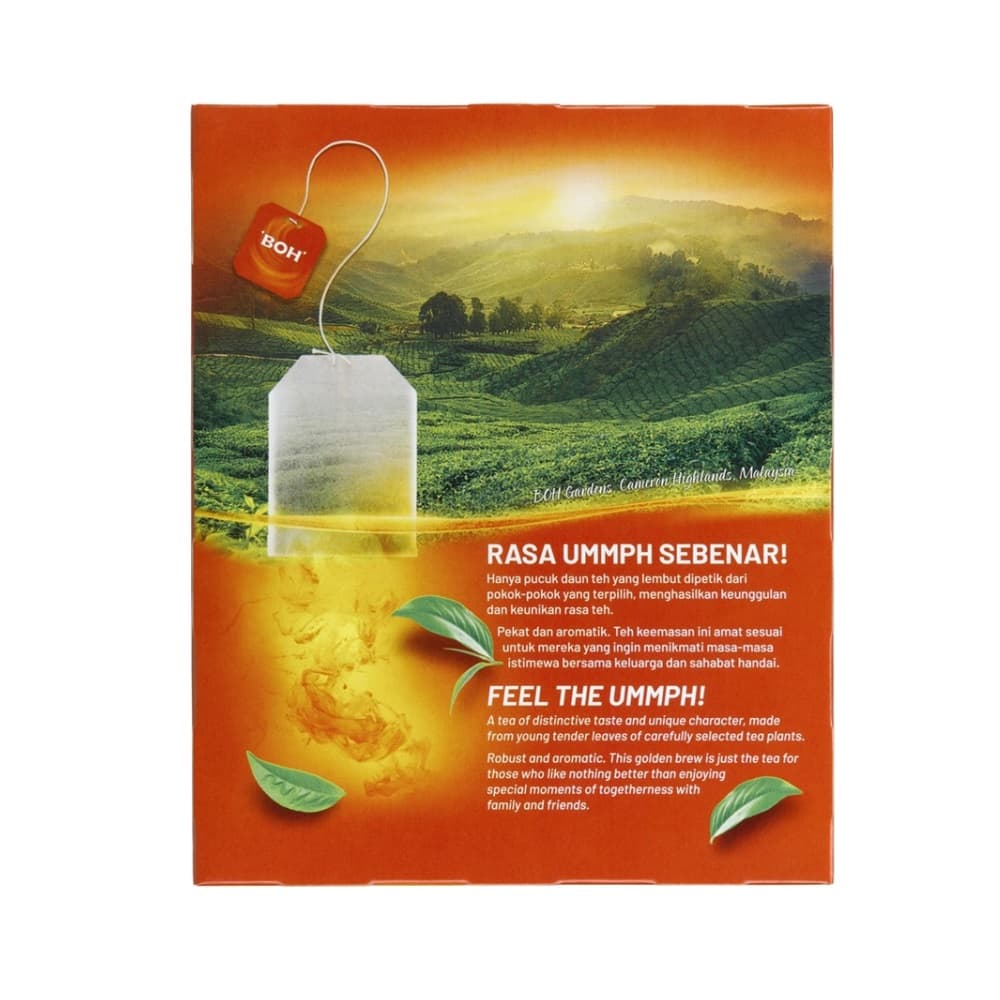
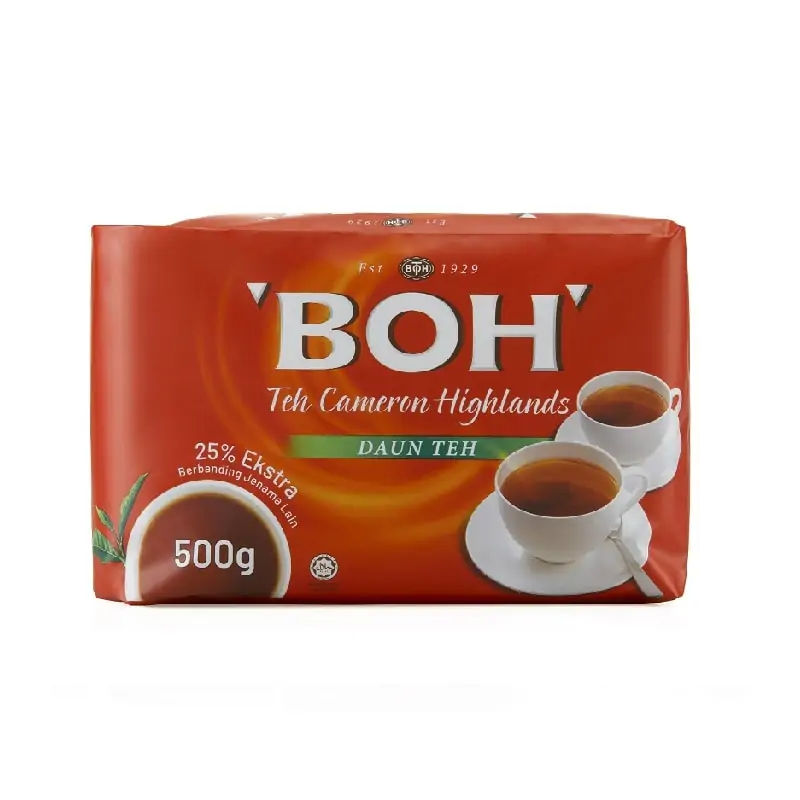
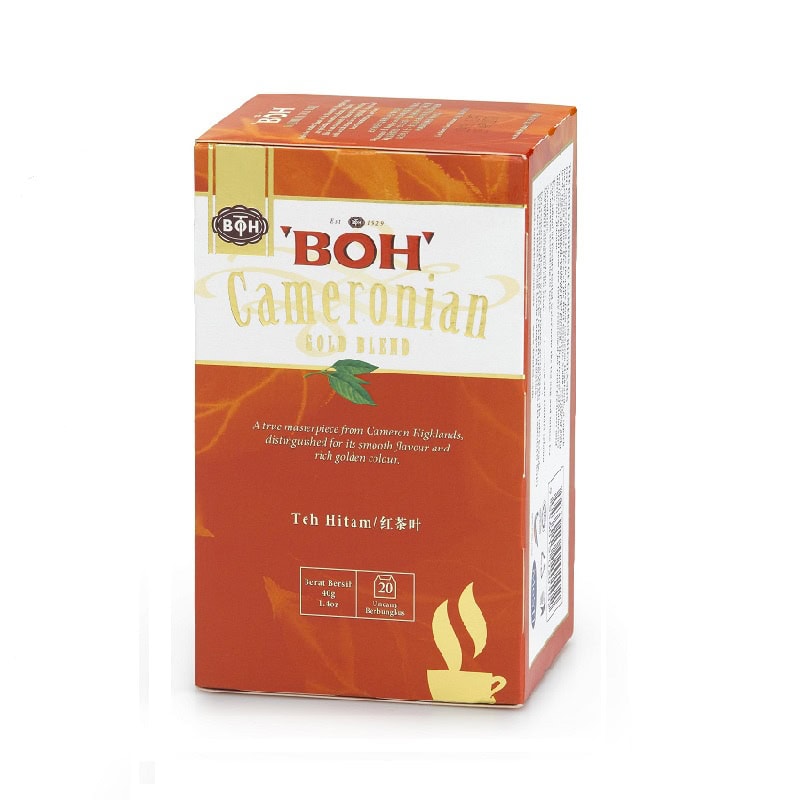

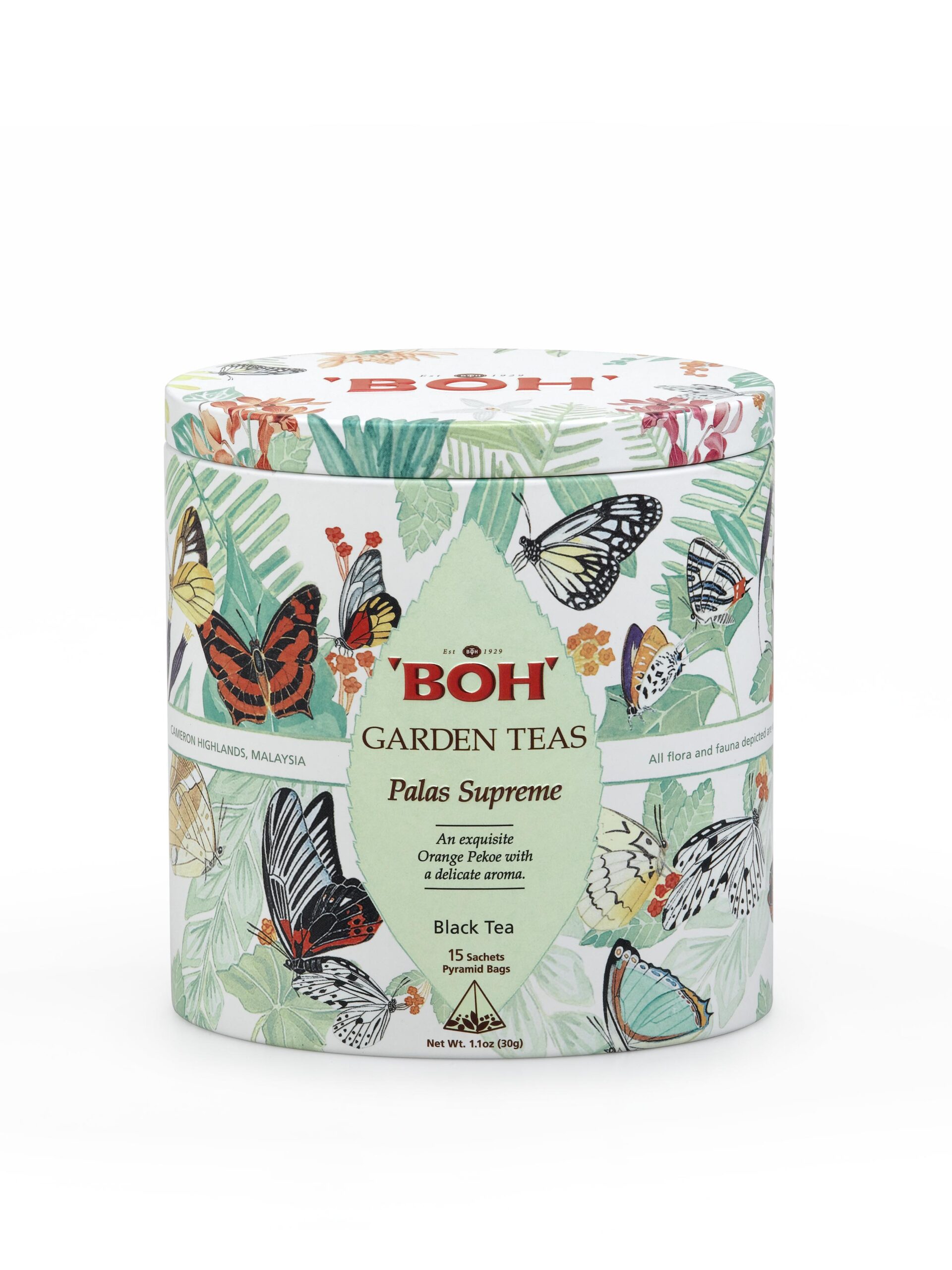
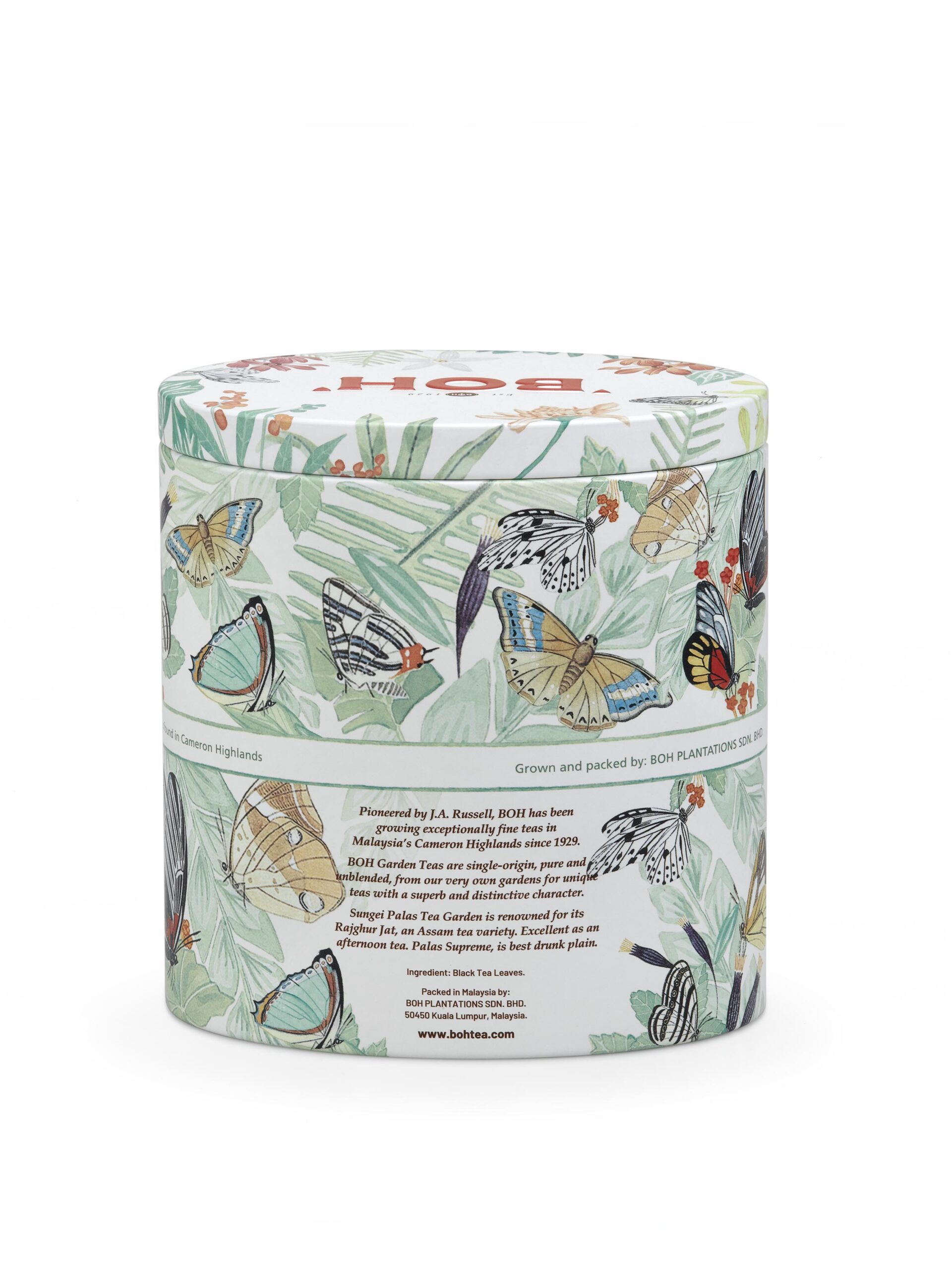
If you are in the mood for some tea check out some of our selection below, or click here to explore our wider selection of teas:


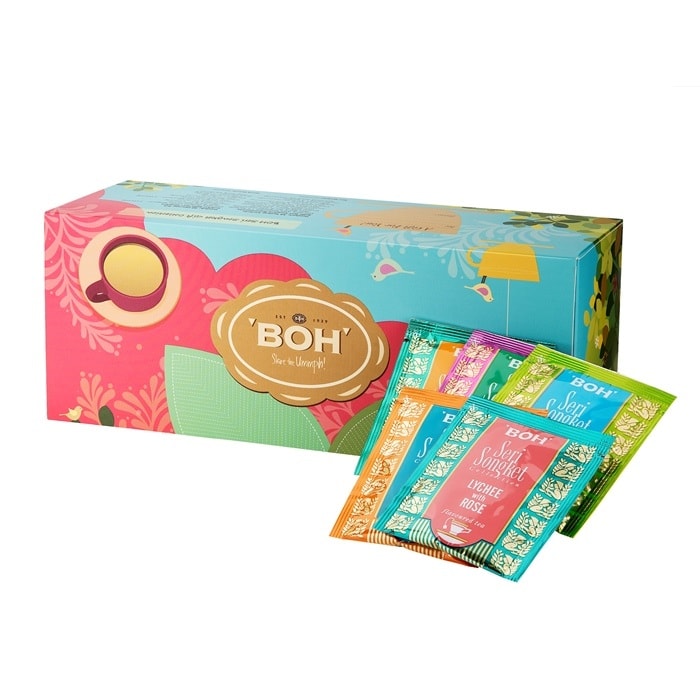
Share this post:
| Cookie | Duration | Description |
|---|---|---|
| ServerPool | session | This cookie is set by the provider Tripadvisor. This cookie is used for user tracking and viewing embedded contents from TripAdvisor like payment of referral commission fees etc. |
| TASSK | 5 months 27 days | This cookie is set by the provider Tripadvisor. This cookie is used for viewing embedded contents to the visitor from Tripadvisor. It also helps to know whether the visitor had clicked on the advertisement, to collect payment from the Tripadvisor. |
| TATravelInfo | 14 days | This cookie is set by the provider Tripadvisor. This cookie is used for viewing contents and ads from Tripadvisor, which in return helps to earn money from Tripadvisor if the visitor has clicked the ads. |
| Cookie | Duration | Description |
|---|---|---|
| __kla_id | 1 year 1 month 4 days | Klaviyo sets this cookie to collect information on the visitor’s behavior. This information is used for internal analytics and to optimise the website. It also registers if the visitor has subscribed to a news letter. |
| _fbp | 3 months | Facebook sets this cookie to display advertisements when either on Facebook or on a digital platform powered by Facebook advertising after visiting the website. |
| _ga | 1 year 1 month 4 days | Google Analytics sets this cookie to calculate visitor, session and campaign data and track site usage for the site's analytics report. The cookie stores information anonymously and assigns a randomly generated number to recognise unique visitors. |
| _ga_* | 1 year 1 month 4 days | Google Analytics sets this cookie to store and count page views. |
| CONSENT | 2 years | YouTube sets this cookie via embedded YouTube videos and registers anonymous statistical data. |
| TADCID | 10 years | Tripadvisor sets this cookie to store a unique ID for users, to help them view embedded content from Tripadvisor. |
| TASession | session | TripAdvisor sets this cookie to track visitors across websites. |
| TAUnique | 2 years | TripAdvisor sets this cookie to track visitors across websites. |
| Cookie | Duration | Description |
|---|---|---|
| fr | 3 months | Facebook sets this cookie to show relevant advertisements by tracking user behaviour across the web, on sites with Facebook pixel or Facebook social plugin. |
| IDE | 1 year 24 days | Google DoubleClick IDE cookies store information about how the user uses the website to present them with relevant ads according to the user profile. |
| SRT | 30 minutes | This cookie is set by the provider Tripadvisor. This is a Tripadvisor session cookie used for advertising purposes. |
| TACds | 2 months | This cookie is set by the provider TripAdvisor. This cookie is used for showing travel information and ads based on the user preferences. |
| TART | 5 days | This cookie is set by the provider Tripadvisor. This cookie is used for viewing contents and ads from Tripadvisor, which in return helps to earn money from Tripadvisor if the visitor has clicked the ads. |
| TAUD | 14 days | This cookie is set by the provider Tripadvisor. This is Tripadvisor session cookie used for advertising purposes. |
| test_cookie | 15 minutes | doubleclick.net sets this cookie to determine if the user's browser supports cookies. |
| ttwid | 1 year | Tiktok sets this cookie to keep track of user authentication and session information. |
| VISITOR_INFO1_LIVE | 5 months 27 days | YouTube sets this cookie to measure bandwidth, determining whether the user gets the new or old player interface. |
| YSC | session | Youtube sets this cookie to track the views of embedded videos on Youtube pages. |
| yt-remote-connected-devices | never | YouTube sets this cookie to store the user's video preferences using embedded YouTube videos. |
| yt-remote-device-id | never | YouTube sets this cookie to store the user's video preferences using embedded YouTube videos. |
| yt.innertube::nextId | never | YouTube sets this cookie to register a unique ID to store data on what videos from YouTube the user has seen. |
| yt.innertube::requests | never | YouTube sets this cookie to register a unique ID to store data on what videos from YouTube the user has seen. |
| Cookie | Duration | Description |
|---|---|---|
| __vt | 1 hour | Description is currently not available. |
| msToken | 10 days | Description is currently not available. |
| PMC | 2 years | Description is currently not available. |
| TASID | 30 minutes | Description is currently not available. |