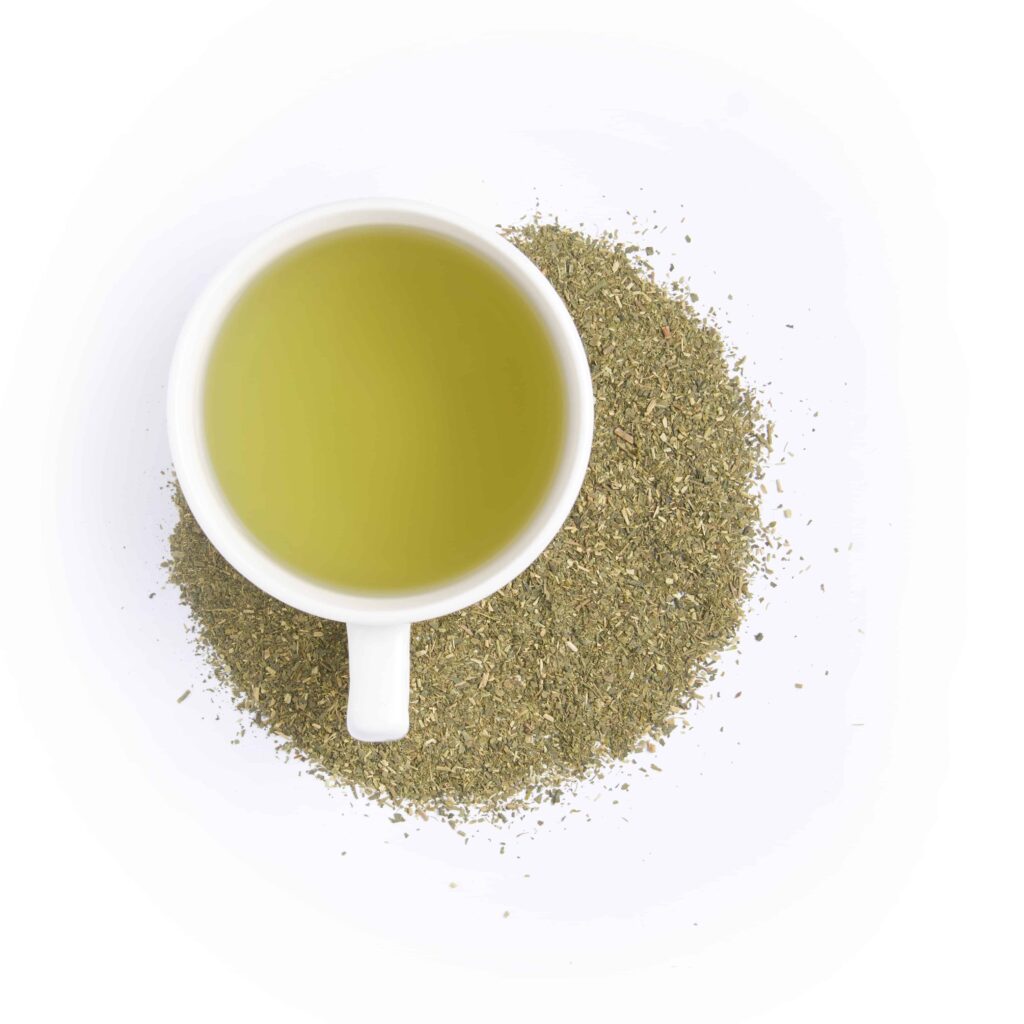

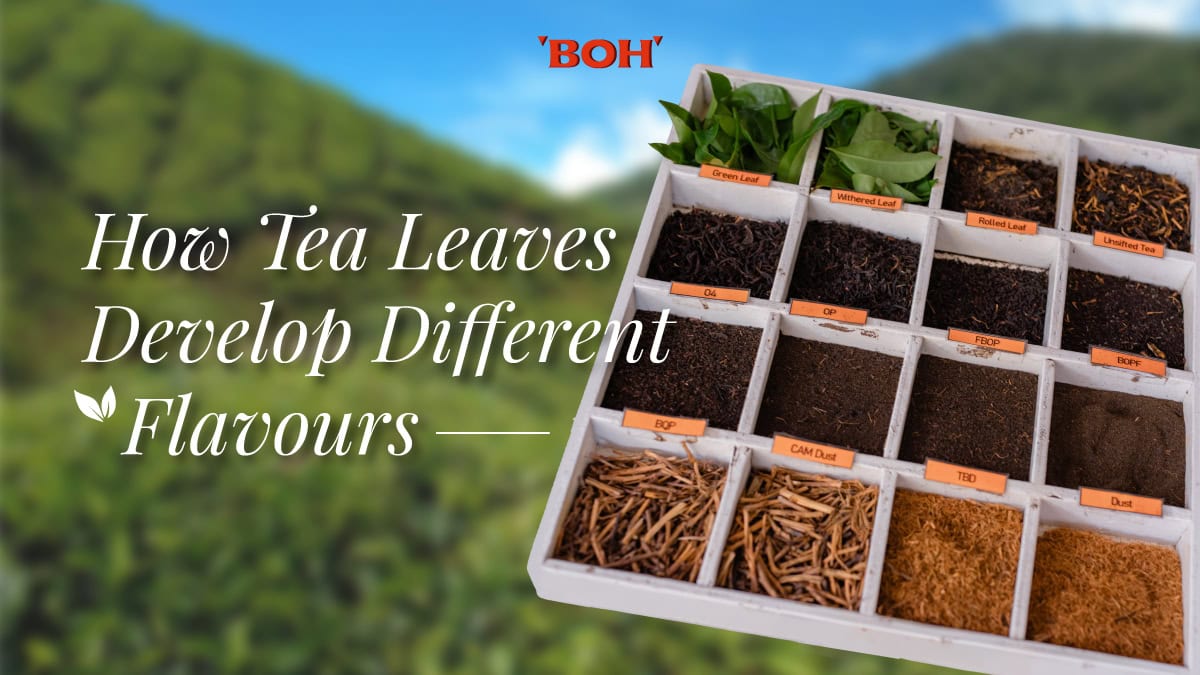
Many people are surprised to learn that green tea, black tea, oolong tea, and white tea all come from the same plant: Camellia sinensis. Yet each tea can taste completely different, ranging from grassy and fresh to rich, floral, smoky, or malty.
So what causes these flavour differences?
The answer lies in a combination of factors including how the tea is grown, when it is harvested, how the leaves are processed, and even how the tea is brewed. Every step plays a role in shaping the final cup.
Understanding how tea develops its flavour can deepen your appreciation for every sip.
The Tea Plant: One Leaf, Many Possibilities
Despite the wide variety of teas available around the world, most traditional teas originate from the same tea plant species.
What makes one tea taste different from another is not necessarily the plant itself, but what happens to the leaves after they are picked.
For example:
This is why two teas from the same garden can taste remarkably different.
If you would like to explore the broader categories of tea, read our article on The Many Varied Types of Tea:
The Different Types of Tea
How Oxidation Changes Tea Flavour
One of the biggest influences on tea flavour is oxidation.
Oxidation happens when tea leaves are exposed to air after being picked. During this process, natural compounds within the leaves react with oxygen, gradually changing the aroma, colour, and taste of the tea.
Many tea-related terms such as oxidation, infusion, and terroir are commonly used when discussing tea flavours. You can learn more in: Tea Terminologies to Know
Green Tea
Green tea is heated quickly after harvesting to stop oxidation early. This helps preserve its fresh, grassy, vegetal, and sometimes slightly sweet characteristics.
Many green teas are known for their lighter body and crisp finish.
If you are curious about how processing creates differences between tea styles, explore: What Is the Difference Between Green Tea and Black Tea?
Black Tea
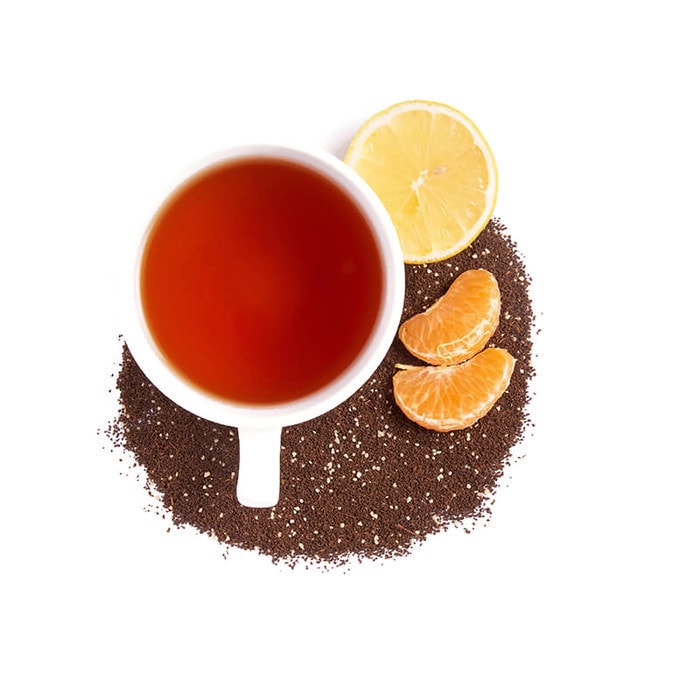
Black tea is allowed to oxidise fully before drying. This creates darker leaves and produces richer, bolder flavours with notes that may be malty, woody, fruity, or caramel-like.
Oolong Tea
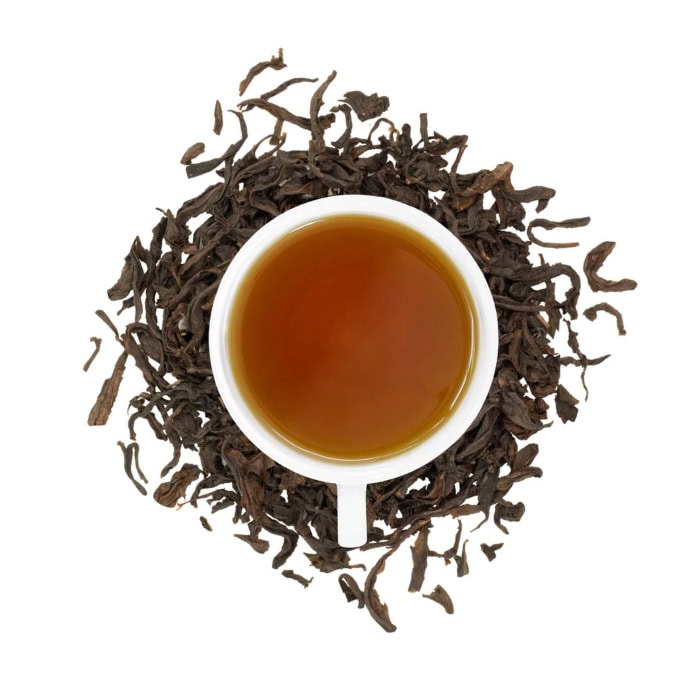
Oolong tea sits somewhere between green and black tea. Partial oxidation creates complex flavour profiles that can range from floral and creamy to roasted and toasty.
Growing Conditions Matter
Tea reflects the environment in which it is grown. Just like wine grapes, tea leaves are influenced by terroir, which refers to the natural conditions of the growing region.
Altitude
Tea grown at higher elevations often develops more delicate and complex flavours because cooler temperatures slow leaf growth.
This slower growth allows the leaves to build richer flavour compounds over time.
The cool climate of Cameron Highlands provides ideal conditions for cultivating distinctive teas with smooth and balanced characteristics. This connection between environment and flavour is also explored in Growing Distinctive BOH Teas
Rainfall, mist, sunlight, and temperature all influence tea flavour.
Cooler climates can encourage sweeter and more refined flavour profiles, while warmer regions may produce stronger and more robust teas.
Seasonal weather changes can also affect the taste of tea from one harvest to another.
The minerals and nutrients in the soil influence how tea plants grow and absorb nutrients.
Healthy soil contributes to healthier tea plants, which can produce more nuanced flavours and aromas.
Harvesting Makes a Difference
Not all tea leaves are picked at the same stage of growth.
Young buds and tender leaves are often associated with smoother and more delicate flavours, while older leaves may create stronger and more robust brews.
The season of harvest also matters.
For example:
In many tea-growing regions, harvesting seasons are limited by changing weather conditions. However, in Cameron Highlands, Malaysia, the tropical climate and consistent temperatures throughout the year allow tea plants to grow continuously. This enables tea leaves to be cultivated and harvested year-round, providing tea makers with greater flexibility to select leaves at different stages of growth and create a variety of flavour profiles.
Tea makers carefully select harvesting times depending on the style of tea they want to produce.
Tea Processing Techniques Shape Character
After harvesting, tea leaves go through several processing stages that further influence flavour.
Rolling
Rolling bruises the leaves and helps release natural oils and enzymes. This affects oxidation and contributes to aroma development.
Drying
Drying removes moisture from the leaves and stabilises the tea for storage. The drying method can subtly influence taste and aroma.
Roasting and Firing
Some teas are roasted or fired to create warm, nutty, smoky, or toasted flavour notes. This is especially common in certain oolong and black teas.
Brewing Also Changes Flavour
Water Temperature
Steeping Time
Tea-to-Water Ratio
For practical brewing guidance, read BOH Tea Tips for Brewing Your Best Cup.
Appreciating the Complexity of Tea
Tea is far more complex than many people realise.
From the climate where the leaves are grown to the way they are harvested, processed, and brewed, every stage contributes to the final flavour in your cup.
This complexity is part of what makes tea such an enjoyable experience. Exploring different teas allows you to discover new aromas, textures, and flavour profiles over time.
Whether you prefer the refreshing character of green tea or the bold richness of black tea, every cup tells the story of the leaf’s journey from garden to brew.
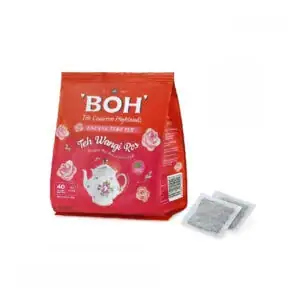
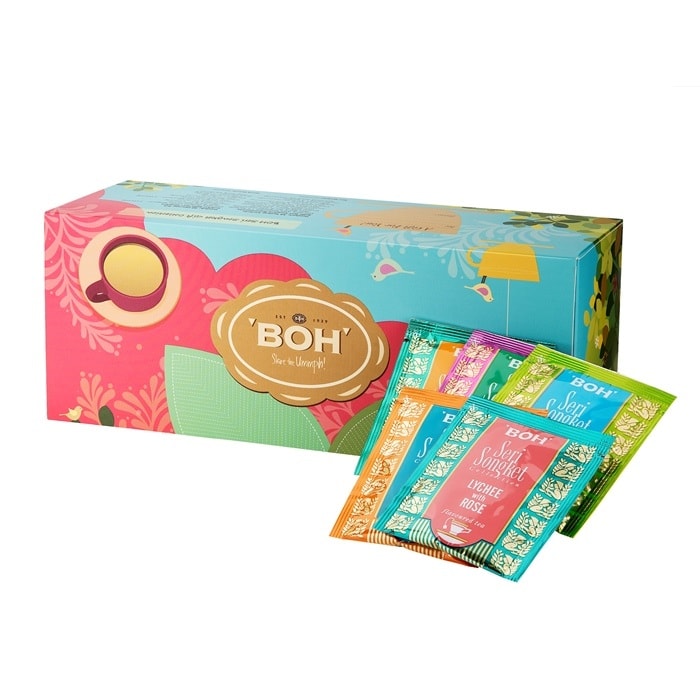
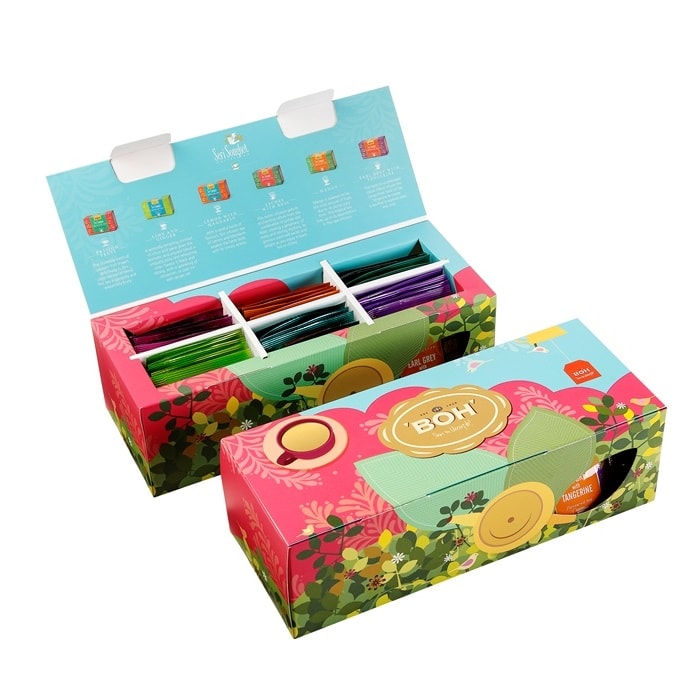
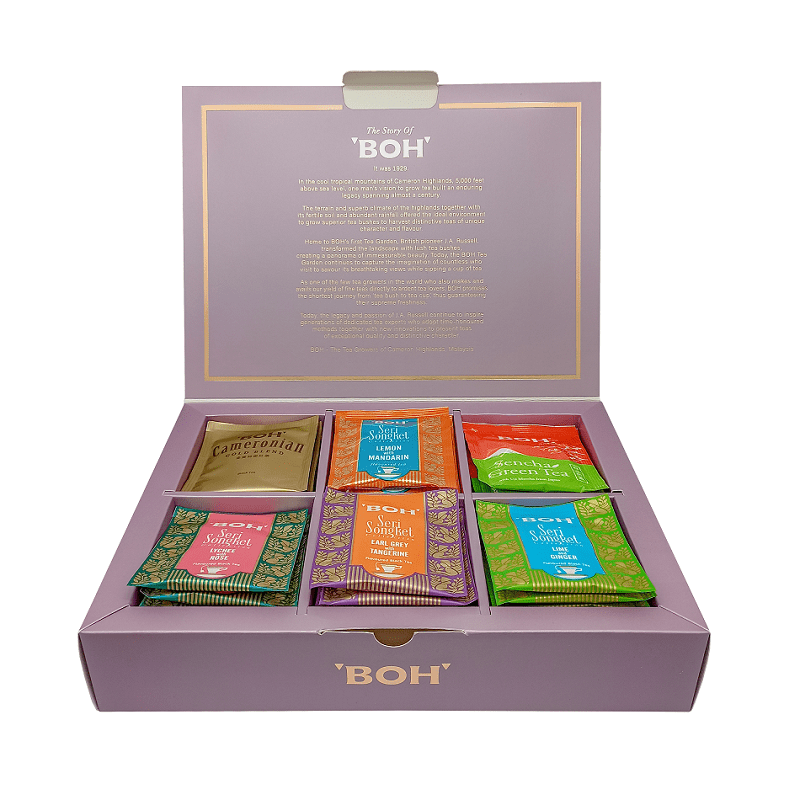
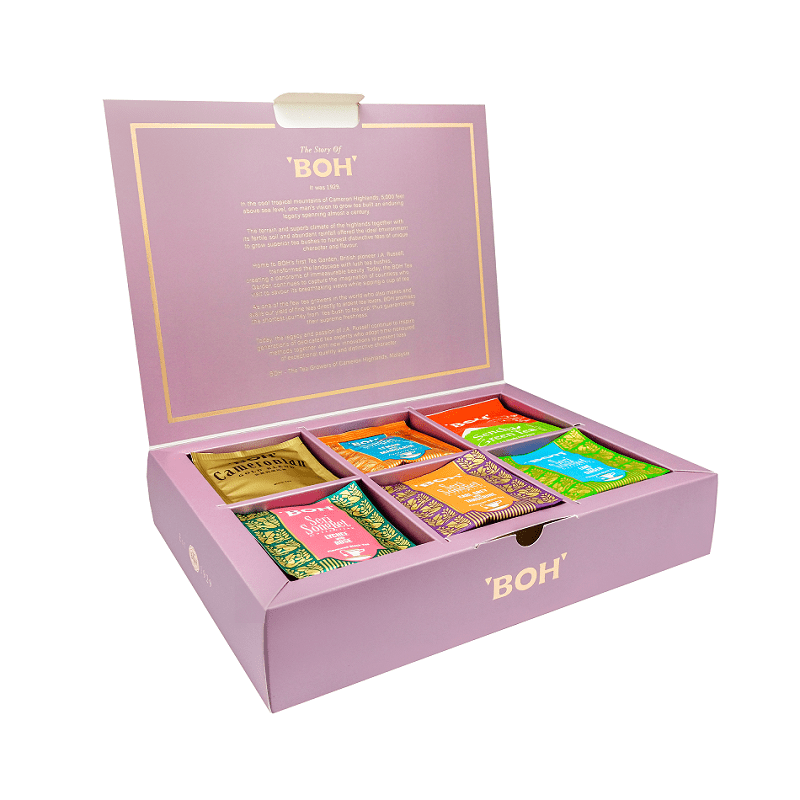
If you are in the mood for some tea check out some of our selection below, or click here to explore our wider selection of teas:


Share this post:
| Cookie | Duration | Description |
|---|---|---|
| ServerPool | session | This cookie is set by the provider Tripadvisor. This cookie is used for user tracking and viewing embedded contents from TripAdvisor like payment of referral commission fees etc. |
| TASSK | 5 months 27 days | This cookie is set by the provider Tripadvisor. This cookie is used for viewing embedded contents to the visitor from Tripadvisor. It also helps to know whether the visitor had clicked on the advertisement, to collect payment from the Tripadvisor. |
| TATravelInfo | 14 days | This cookie is set by the provider Tripadvisor. This cookie is used for viewing contents and ads from Tripadvisor, which in return helps to earn money from Tripadvisor if the visitor has clicked the ads. |
| Cookie | Duration | Description |
|---|---|---|
| __kla_id | 1 year 1 month 4 days | Klaviyo sets this cookie to collect information on the visitor’s behavior. This information is used for internal analytics and to optimise the website. It also registers if the visitor has subscribed to a news letter. |
| _fbp | 3 months | Facebook sets this cookie to display advertisements when either on Facebook or on a digital platform powered by Facebook advertising after visiting the website. |
| _ga | 1 year 1 month 4 days | Google Analytics sets this cookie to calculate visitor, session and campaign data and track site usage for the site's analytics report. The cookie stores information anonymously and assigns a randomly generated number to recognise unique visitors. |
| _ga_* | 1 year 1 month 4 days | Google Analytics sets this cookie to store and count page views. |
| CONSENT | 2 years | YouTube sets this cookie via embedded YouTube videos and registers anonymous statistical data. |
| TADCID | 10 years | Tripadvisor sets this cookie to store a unique ID for users, to help them view embedded content from Tripadvisor. |
| TASession | session | TripAdvisor sets this cookie to track visitors across websites. |
| TAUnique | 2 years | TripAdvisor sets this cookie to track visitors across websites. |
| Cookie | Duration | Description |
|---|---|---|
| fr | 3 months | Facebook sets this cookie to show relevant advertisements by tracking user behaviour across the web, on sites with Facebook pixel or Facebook social plugin. |
| IDE | 1 year 24 days | Google DoubleClick IDE cookies store information about how the user uses the website to present them with relevant ads according to the user profile. |
| SRT | 30 minutes | This cookie is set by the provider Tripadvisor. This is a Tripadvisor session cookie used for advertising purposes. |
| TACds | 2 months | This cookie is set by the provider TripAdvisor. This cookie is used for showing travel information and ads based on the user preferences. |
| TART | 5 days | This cookie is set by the provider Tripadvisor. This cookie is used for viewing contents and ads from Tripadvisor, which in return helps to earn money from Tripadvisor if the visitor has clicked the ads. |
| TAUD | 14 days | This cookie is set by the provider Tripadvisor. This is Tripadvisor session cookie used for advertising purposes. |
| test_cookie | 15 minutes | doubleclick.net sets this cookie to determine if the user's browser supports cookies. |
| ttwid | 1 year | Tiktok sets this cookie to keep track of user authentication and session information. |
| VISITOR_INFO1_LIVE | 5 months 27 days | YouTube sets this cookie to measure bandwidth, determining whether the user gets the new or old player interface. |
| YSC | session | Youtube sets this cookie to track the views of embedded videos on Youtube pages. |
| yt-remote-connected-devices | never | YouTube sets this cookie to store the user's video preferences using embedded YouTube videos. |
| yt-remote-device-id | never | YouTube sets this cookie to store the user's video preferences using embedded YouTube videos. |
| yt.innertube::nextId | never | YouTube sets this cookie to register a unique ID to store data on what videos from YouTube the user has seen. |
| yt.innertube::requests | never | YouTube sets this cookie to register a unique ID to store data on what videos from YouTube the user has seen. |
| Cookie | Duration | Description |
|---|---|---|
| __vt | 1 hour | Description is currently not available. |
| msToken | 10 days | Description is currently not available. |
| PMC | 2 years | Description is currently not available. |
| TASID | 30 minutes | Description is currently not available. |